Burkina Faso, a landlocked West African nation also known as the "Land of Honest People," is packed with vibrant cultures, ancient traditions, and mind-bending quirks that go far beyond its Sahelian landscapes and bustling markets. For those hunting unusual traditions, unorthodox culture, and bizarre rituals, this country stands out with its mix of animist mysticism, elaborate mask ceremonies, and surprising social customs. From crocodile friendships to chaotic festivals and revolutionary ghosts, here are the 11 most fascinating and offbeat insights into Burkina Faso society.
1. Burkina Faso is home Sacred Crocodiles that live peacefully with Humans
In the village of Bazoulé (roughly 30kms from the Burkinabe capital Ouagadougou), locals have forged an extraordinary bond with sacred crocodiles. These massive reptiles, revered as totems and protectors, lounge near homes and even allow children and adults to sit on them or touch them without harm. According to legend, this harmony dates back centuries when a crocodile helped guide villagers to water during a drought. Villagers offer chickens as sacrifices to maintain the peace, turning what would be a terrifying encounter elsewhere into a bizarre tourist attraction and spiritual practice.
2. There are Elaborate Mask Dances that summon spirits and ancestors
Burkina Faso is a powerhouse of mask culture, especially among the Bobo, Mossi, Bwa, and Gurunsi peoples. Massive butterfly masks (Bobo), towering antelope masks (Mossi), and leaf-covered creations are worn in frenzied dances during funerals, initiations, and harvest festivals. These masks embody nature spirits, ancestors, and deities and are most commonly used for fertility and protection.
The Festival International des Masques et des Arts (FESTIMA) in Dedougou celebrates this with thousands participating in colourful, hypnotic performances. Dancers often enter trances, and the rituals can last days, blending joy with solemn spiritual communication in one of the most visually striking rituals Burkina Faso has to offer.
3. The Revolutionary Legacy of “Africa’s Che Guevara”
Thomas Sankara, Burkina Faso’s former president (1983–1987), remains a larger-than-life figure. Nicknamed the “African Che Guevara,” he banned female genital mutilation, polygamy, and forced marriages, launched massive literacy and vaccination campaigns, and even composed the national anthem. He rode a bicycle, sold off luxury government cars, and pushed self-reliance. His assassination in 1987 (widely suspected to be a coup involving his successor) turned him into a martyr. Today, his ghost lingers in street art, music, and debates, making Burkina Faso’s political history feel strangely personal and revolutionary.
4. “Rakiire” – The Art of Ritualized Insults for Peace
One of the most bizarre social customs in Burkina Faso is “rakiire”. Specific ethnic or family groups are “joking cousins” and can hurl wildly obscene, personal insults at each other without offense. This tradition diffuses tension, prevents real conflicts, and strengthens inter-ethnic bonds in a diverse society of over 60 groups. What sounds like playground bullying is actually a sophisticated social tool rooted in ancestral wisdom, turning potential hostility into laughter and harmony. With a more than thousand year history, the practice is also used in neighbouring countries, including Mali.
5. Gravity-Defying Mud Architecture and Spirit Houses
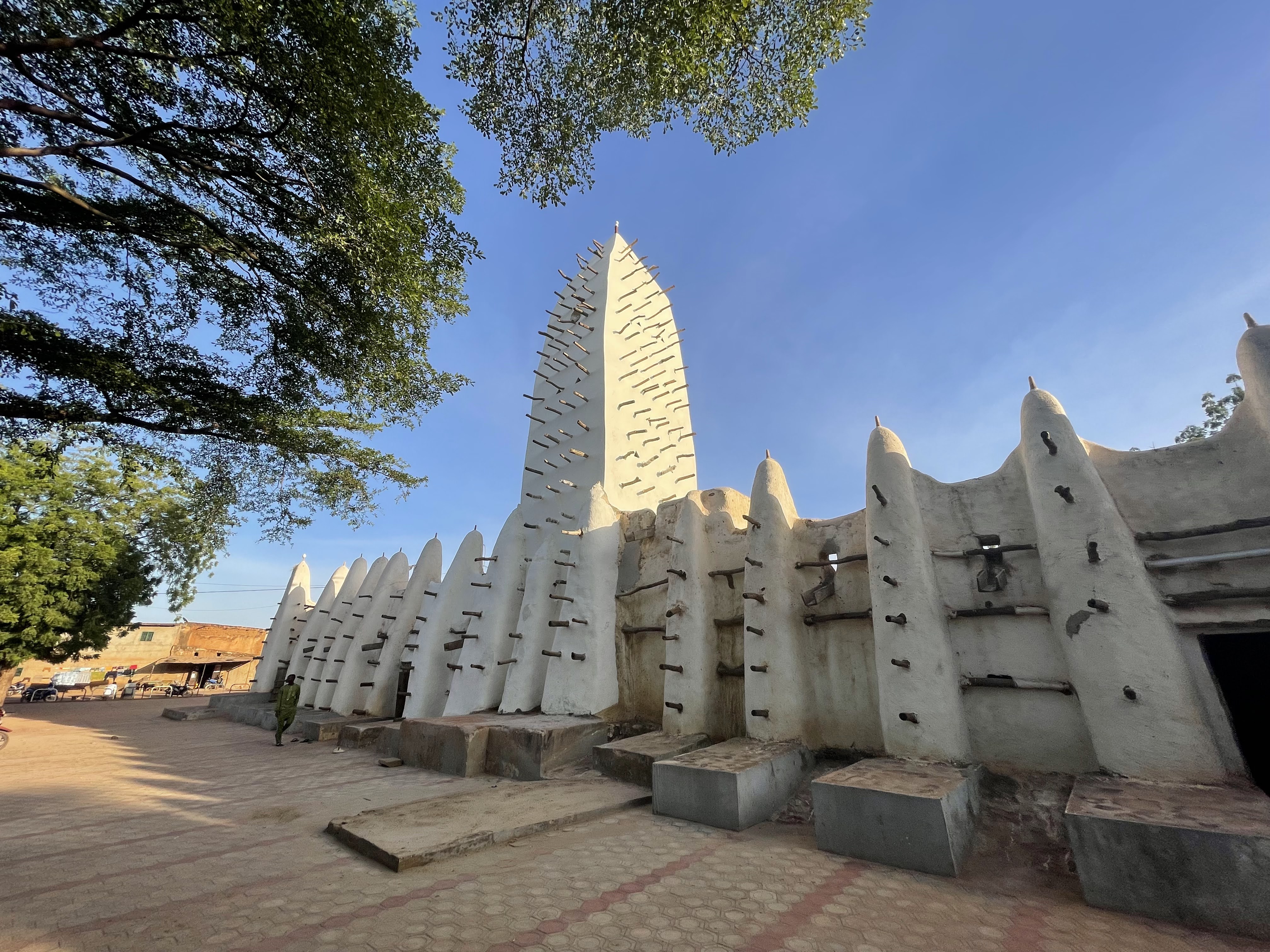
Traditional Burkinabe architecture features intricate mud-brick mosques and homes decorated with protruding wooden beams and symbolic patterns. Many structures include spiritual elements—sacrifices during construction to appease ancestors or spirits. The Lobi people build "spirit houses" with separate spaces for the living and the dead with low entrances forcing humility. In the heat of the Sahel, these buildings “breathe” through natural materials, creating living artworks that feel alive with ancestral energy.
6. Horse Obsession and the White Stallion National Symbol
Burkina Faso’s national symbol is the white stallion, tied to Mossi legends of Princess Yennenga, a warrior woman whose horse led to the kingdom’s founding. The Mossi and Fulani are known as “cowboys of West Africa” for their equestrian skills. Horses appear everywhere, from football team nicknames “Les Etalons” to daily life and proverbs. This deep cultural love makes horse-related rituals and racing events strangely central to identity in a region better known for deserts than ranches.
7. Burkina Faso is home to Africa’s Biggest Film Festival
Despite political instability and security challenges, Ouagadougou hosts FESPACO (Panafrican Film and Television Festival), the continent’s premier cinema event since 1969. Filmmakers from across Africa compete amid real-world chaos, turning the capital into a hub of creativity. It’s surreal to see red carpets and celebrity screenings in a country facing hardship, symbolizing cultural defiance and hope. This event cements Burkina Faso’s reputation as a surprising cinematic powerhouse.
8. Burkina Faso has one of the highest fertility rates in the world.
With one of the world’s highest fertility rates (around 5+ children per woman) and a median age under 19, Burkina Faso feels extremely youthful. This demographic reality shapes everything from vibrant street life to resource strains. Combined with animist traditions, it leads to large extended families where ancestor veneration and coming-of-age rites (including mask initiations) play huge roles.
9. Ancient metal works and mysterious rock formations
Burkina Faso boasts some of Africa’s earliest iron smelting sites (dating back over 2,700 years) and bizarre geological wonders like the Sindou Peaks, otherworldly sandstone cones eroded into dramatic shapes. These sites tie into local lore where rocks and ancient forges hold spiritual power. Artisans still create ironwork with traditional methods, blending prehistoric tech with modern crafts in one of the continent’s richest artisanal scenes.
10. Burkina Fasos Tabaski Festival blends Islam, Christianity and traditional aministic believes
During Tabaski families sacrifice rams in elaborate rituals. Meat is shared communally, with specific customs around who gets which parts. Combined with other festivals involving chicken sacrifices for crocodiles or rain-making rites that supposedly guarantee storms within days, these practices highlight a living blend of Islam, Christianity, and animism. The sensory overload of blood, feasting, music can be confronting to outsiders.
11. The name Burkina Faso means “Land of the Incorruptible People”
The name “Burkina Faso” itself, adopted in 1984, mean “Land of Incorruptible People”. The name was adopted by the revolutionary leader Thomas Sankara and reflects a post-colonial push for integrity under Sankara.
To join us in Burkina Faso, check out our Burkina Faso group tour departure dates and send us an email to [email protected].