Belarus, a landlocked Eastern European country characterized by dense ancient forests, extensive marshlands, fertile plains, and a history marked by empires, world wars, Soviet rule, and modern geopolitical complexities, presents a fascinating array of distinctive features. From its resilient natural heritage and industrial achievements to deep-rooted cultural traditions and challenging realities, Belarus offers layers of history, adaptation, and uniqueness that often surprise outsiders. Here are 11 facts about Belarus that you probably didn’t know.
1. Belarus is home to one of the world’s heaviest land animals
No, we’re not inappropriately referring to a portly babushka pottering about in her dacha. The European bison, also known as the wisent, stands as one of Europe’s largest and most iconic land mammals and finds a primary stronghold in Belovezhskaya Pushcha, the continent’s largest remaining primeval forest spanning Belarus and Poland. This massive herbivore, with males reaching body lengths of 255–305 cm and shoulder heights of 170–195 cm, was once pushed to the brink of extinction due to hunting and habitat loss. By 1919, the last wild bison in the area had been killed, but reintroduction efforts began in the mid-20th century. In the Belarusian part of the forest, five bison were brought from Poland in 1946, with free breeding starting around 1953. Today, the population in Belovezhskaya Pushcha National Park alone has grown significantly, reaching around 784 bison as of early 2026.

2. Belarus is home to the world’s largest dump truck
Belarusian industry shines through the BelAZ 75710, the world’s largest mining dump truck, produced in Zhodino. First introduced in 2013, this engineering marvel measures over 20 meters long, nearly 10 meters wide, and stands about 9 meters tall, with tires taller than an average adult. Empty, it weighs around 360 tonnes; fully loaded, it approaches 810 tonnes while carrying a 450-tonne payload. It is powered by two massive diesel engines delivering 4,600 horsepower. During tests, it hauled over 503 tonnes, earning Guinness World Records for both size and capacity.
3. Belarus has one of the world’s highest rates of alcohol and tobacco consumption
Belarus frequently ranks among global leaders in per capita alcohol consumption, with figures historically ranging from 11 to 17 litres of pure alcohol per adult annually, depending on the source and year. Traditional beverages like horilka (potato-based vodka) and krupnik (spiced honey liqueur) are deeply woven into social customs, from family gatherings to holidays. High smoking rates compound these habits, contributing to public health issues. Drinking is often viewed through a lens of hospitality and tradition, particularly in rural areas where it may serve as a social lubricant or stress reliever amid economic or historical hardships.
4. Belarus features a potato-based cuisine with hundreds of traditional recipes
Potatoes hold near-sacred status in Belarusian gastronomy, often dubbed the “second bread” due to historical reliance during periods of scarcity and poor soil for other crops. Annual consumption per person can exceed 160–180 kg, with estimates of 200–300 traditional recipes documented. Signature dishes include draniki (grated potato pancakes, crispy and served with sour cream), babka (a baked potato casserole sometimes with meat or mushrooms), kolduny (dumplings), and various stews or sausages incorporating the versatile tuber.
5. Belarus is the only country in Europe that still carries out the death penalty
Belarus remains the sole European nation actively implementing capital punishment, typically by firing squad for severe crimes such as murder with aggravating circumstances, terrorism, or genocide. This sets it apart from all other European countries, which have abolished the practice in law or practice, often as a prerequisite for Council of Europe membership. Since independence in 1991, hundreds of executions have reportedly occurred, though official figures are limited due to secrecy surrounding the process.

6. Belarus contains significant areas affected by the Chernobyl disaster
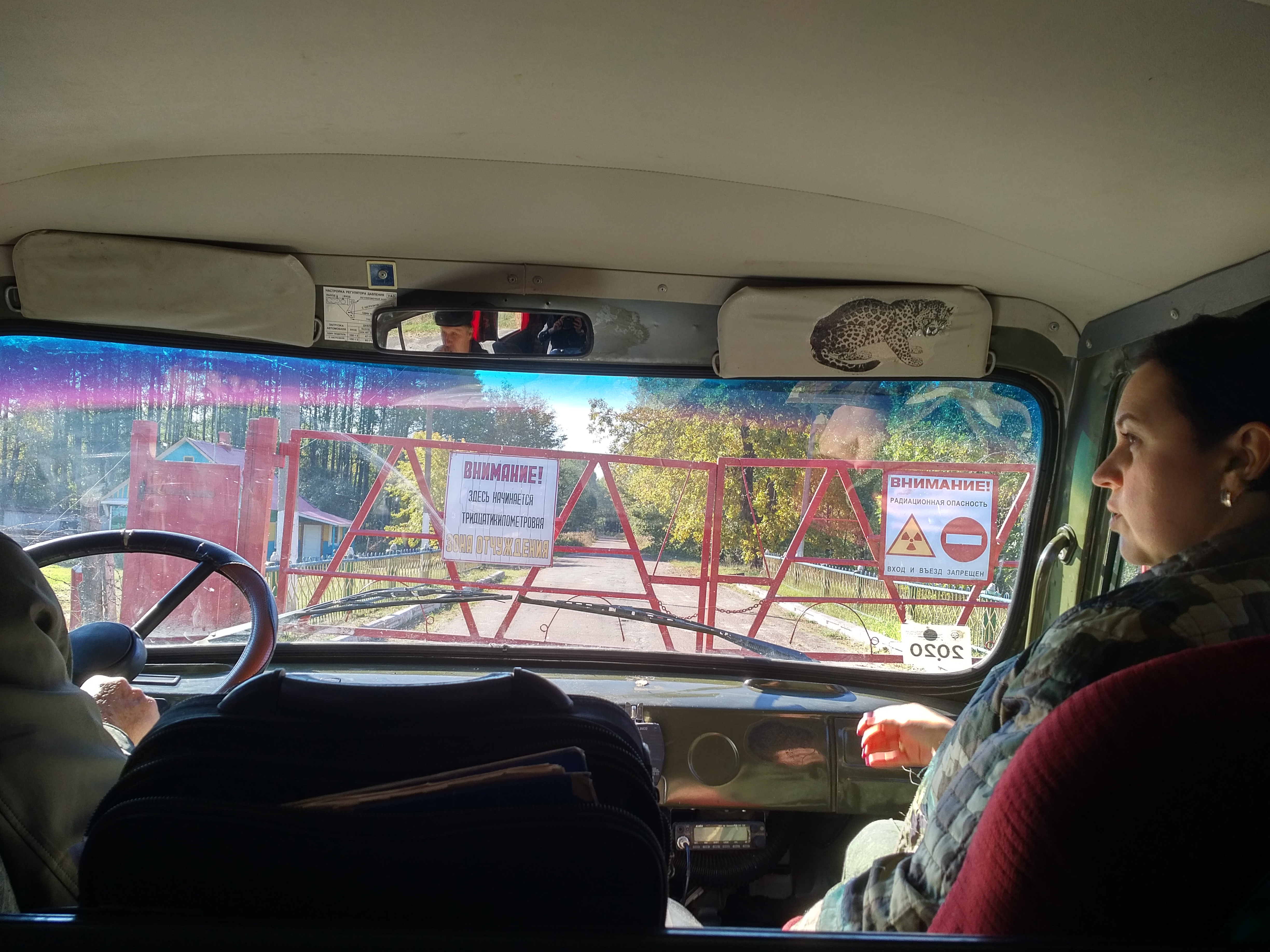
The 1986 Chernobyl nuclear accident had profound impacts on Belarus, with up to 70% of the radioactive fallout landing on its territory, contaminating over 20% of the land initially. This led to evacuations, agricultural restrictions, and long-term health and environmental monitoring. The Polesie State Radioecological Reserve was established in the most affected zones, creating a unique area where human absence has allowed wildlife to rebound – wolves, deer, birds, and other species thrive amid lingering radionuclides like cesium-137, strontium-90, and plutonium.
Over decades, contamination levels have decreased through decay and remediation, with affected forests now at about 13–14% of total area. The reserve serves as a scientific laboratory for studying radiation effects on ecosystems, offering insights into resilience and recovery. For affected communities, it brings ongoing challenges like health anxieties, economic limitations, and psychological legacies.
Naturally, we visit this area during our tours, so if you’re interested in seeing this fascinating aspect to Belarus’ history, check out our tours here .

7. Belarus hosts the striking “Diamond of Knowledge” national library
Minsk’s National Library of Belarus, dubbed the “Diamond of Knowledge,” is a striking architectural landmark shaped as a rhombicuboctahedron. Completed in the mid-2000s, the 74-meter-tall structure with 23 floors houses millions of volumes, advanced research facilities, and a panoramic viewing platform. Its modern, geometric design contrasts with surrounding Soviet-era architecture, earning both praise for innovation and occasional inclusion on lists of unconventional or visually bold buildings.
8. Belarusians maintain strong belief in superstitions
Belarusian culture preserves a rich tapestry of folk beliefs blending pagan roots with Christian influences. Common superstitions include avoiding whistling indoors (believed to “blow away” money or luck) and refraining from sweeping immediately after guests depart (to avoid “sweeping them out” of your life). Festivals like Maslenitsa (Shrovetide) feature pancakes symbolizing the sun, games, and dramatic rituals such as burning effigies or soldiers smashing flaming bricks in some traditions. Ancestral commemorations, like Dzyady, involve preparing odd-numbered dishes for memorial feasts honouring the dead.
9. Belarus is actually part of a bigger country called the Union State
Belarus participates in the Union State with Russia, a supranational framework initiated in the late 1990s through treaties promoting economic integration, shared defence, and political coordination. It includes joint institutions like the Supreme State Council, while preserving formal sovereignty for both nations.
Implications are multifaceted: it provides economic benefits and stability for Belarus but sparks debates on autonomy, influence, and international positioning.
10. Belarus was once home to Lee Harvey Oswald
In the early 1960s, Lee Harvey Oswald, later infamous for his alleged role in the assassination of U.S. President John F. Kennedy, defected to the Soviet Union and resided in Minsk for about two and a half years. He worked at a local radio and television factory (Horizont), received state housing, and married Marina Prusakova there before returning to the United States in 1962. His time in Minsk, then part of the Byelorussian SSR, has been scrutinized in historical investigations for insights into his motivations and activities.
11. Belarus is a leader in Europe for discovered buried treasures
Centuries of conflicts, invasions, and trade routes across Belarusian lands have resulted in numerous archaeological hoards, positioning the country among Europe’s leaders in discovered buried treasures. Finds range from coins and jewellery to weapons, reflecting interactions among Baltic, Slavic, and other peoples. Annual discoveries continue, aided by modern techniques and regulations.
We visit a lot of these places, and will discuss most of them, on any of our Belarus tours, so please have a look at what we’ve got on offer and come and join us in Europe’s most elusive country.