Traveling to Iran is an incredible adventure. The country offers rich history, beautiful landscapes, and some of the kindest people you will ever meet. Like travelling anywhere, Iran has many challenges, however it also poses some unique questions, one of the main being clothing. Many first-time visitors worry about the dress code, but if you are reading guides from five or more years ago, the reality on the ground is quite different today. Strict enforcement by morality police was common in the past, but after the widespread protests sparked by Mahsa Amini's death in 2022 and then again in early 2026, things have shifted. The official laws remain the same, but in practice, especially in larger cities, rules are rarely applied now. Many women now push boundaries with little consequence in everyday life.
Iran is a big country with varied regions—from lively and modern Tehran to more traditional spots like Mashhad—so expectations change depending on where you are so it’s always best to be informed about where you are and follow the lead of the majority of locals.
The Rules: What the Law Still Requires
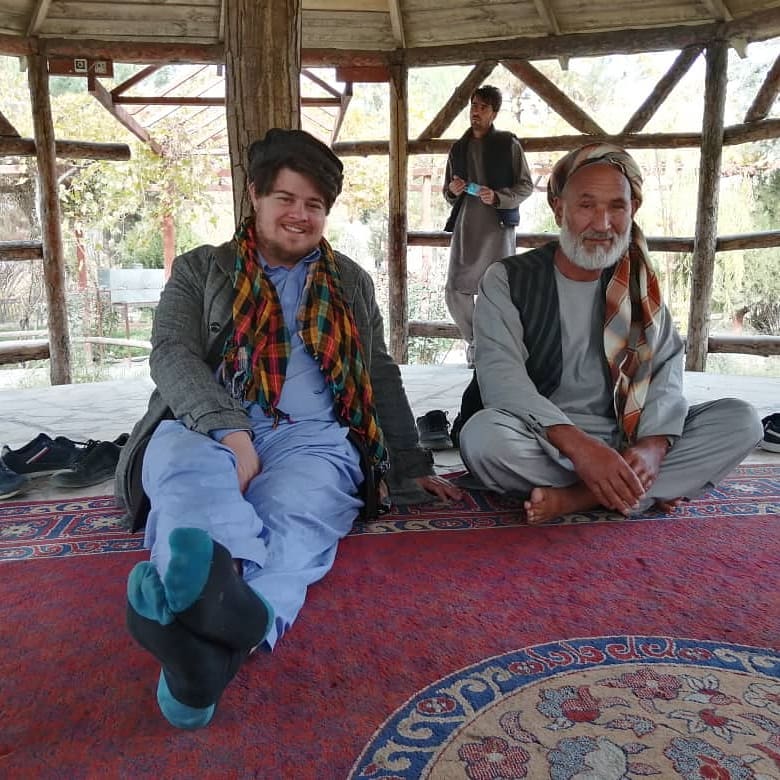
Iran's dress code is rooted in ‘modesty’ for both women and men. For women, this means covering hair with a scarf, wearing loose-fitting clothes that do not show the body shape, and keeping arms and legs covered. Tight jeans, short sleeves, or low necklines are not supposed to be worn in public. For men, long pants are expected, with no shorts in most places and shirts should cover the shoulders, with some Islamic scholars going so far as to say that long sleeves are mandatory.
Foreign visitors must follow these rules too, but in reality, authorities are often more lenient with tourists. You are seen as guests, and they want you to enjoy your trip. In major cities like Tehran right now, many local women wear scarves very loosely, with plenty of hair visible, or in some upscale areas and cafes, they go without one entirely. Airlines still announce that women should cover their hair when entering Iranian airspace, and you should comply at the airport upon arrival, mostly for ease of immigration processing.
Regional Differences
Iran has a lot of variety, and the dress code experience changes by location. In big cities, younger generations are driving these changes, making places feel vibrant and modern. In conservative areas, traditions hold stronger.
In Tehran, the capital, things are quite relaxed. Women often wear stylish loose tops or coats over jeans or pants, with colourful scarves draped loosely or pushed back to show hair. In trendy neighbourhoods, parks, or modern cafes, it is common to see hair fully out. Sometimes you’ll even see midriff showing and women even wearing shorter skirts. It really is changing.
Other tourist-friendly cities like Shiraz and Isfahan are similar, with more open styles that stay within the basics but feel fashionable. Resort areas like Kish Island can feel even freer in tourist zones with it being reported that alcohol consumption is now fully open and some women go swimming in normal swimsuits.
However, in holy cities such as Mashhad or Qom, expectations are stricter. Locals tend to cover more fully, and visitors should keep hair covered and wear looser, longer clothing to blend in and show respect. Smaller towns and rural areas usually follow more traditional ways too.
Practical Tips
The best plan for female foreign tourists is to arrive with a scarf and modest outfit, then observe what locals wear and adjusting accordingly. In Tehran and similar cities, jeans paired with long tops and a loose scarf are common, and showing some hair rarely causes issues. Many women now go further, especially in northern or upscale parts of town.
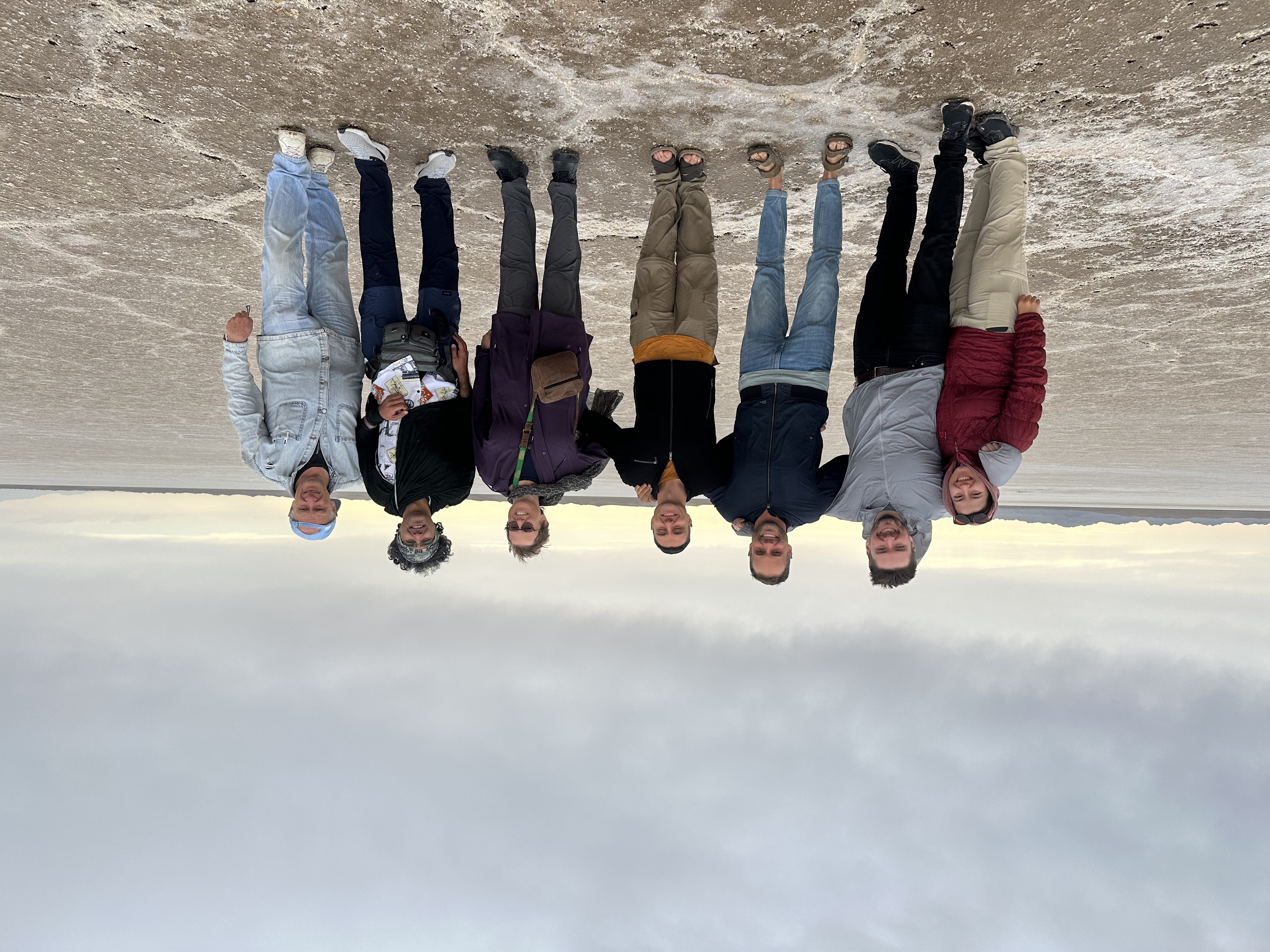
Pack versatile pieces: lightweight scarves that you can wear loosely, tunics or long blouses, comfortable pants or maxi skirts for women; long trousers and casual shirts for men. Avoid anything very tight, short, or revealing to start.
At religious sites, extra coverage like a chador is sometimes required, but it is usually provided at the entrance.
Iranians are incredibly warm and hospitable. They appreciate when visitors make an effort, and serious problems for tourists over dress are uncommon if you stay aware of your surroundings.
What to Pack
For women: Several breathable scarves in different colours, loose pants or jeans, long-sleeved tops or light tunics, a cardigan or loose jacket for layering, and closed-toe shoes that are comfortable for walking. Sandals are fine in many places.
For men: Long pants such as chinos or jeans, t-shirts or button-up shirts that cover the shoulders, lightweight options for heat, and sturdy shoes.
For more information on our Iran tours chech out our website here.
To book your place on our next Iran tour send us an email to [email protected].