The Sahel region is one of the most culturally diverse regions of Africa, stretching from Senegal to Sudan. This historically rich region was home to many successful empires such as the Songhai, Malian and Ghanaian.
With recent shake ups in politics in the Sahel, there has been a trend to get rid of the previously existing colonial language in favour of local indigenous languages. So which languages are spoken and which are most useful?
French, English and Arabic
French
Since colonialism whether it be by Europeans or by Arabs, the Sahel has been heavily influenced by languages from outside their region. Recently, due to political upheaval in the region the nations of Niger, Mali and Burkina Faso are trying to distance themselves from their colonial past and this means saying au revoir to French as their official language. French however is still widely spoken across the entire region from Senegal to Niger as there are many differing local languages from different language groups, so French has acted as a medium of communication and equaliser to a certain extent, similar to how English has been used in India. French in Senegal is still very much used. In Mali, Burkina Faso and Niger French is still used and you will be able to use it as a tourist as this change away from French will not be a quick process. However, there is now a big push to use local languages instead, so it wouldn’t be a bad idea to learn some phrases in Bambara or Songhai.
English
This one is much less important than French in the region, however it is still widely spoken in the Nigerian region of the Sahel alongside Hausa.
Arabic
Arabic is very common the closer you get to Sudan and Niger. Many of these places also have large Muslim populations which means they have had a lot of influences from the Arabic language on their culture. Arab has official status in Mauritania, Chad and Sudan. You may run into some people that speak a little Arabic in other places, but it won’t be as useful as French in the western part of the Sahel. The dialects can also differ greatly from classical Arabic or Levantine dialects so expect some difficulty with communication if you already know Arabic from somewhere like Syria or Lebanon.
Hausa
Hausa is known as the great trading language of the Sahel. Hausa is widely spoken in southern Niger, northern Nigeria and is also found in Cameroon, Chad and Ghana. Hausa is a useful language to know in this region as many less commonly spoken languages are related to Hausa and share many similarities such as: Bole, Ngas, Karekare, Goemai to name a few.
Fulani
Fulani is known as the language of the herders and can be heard from Senegal to Sudan amongst different peoples. The Fulani language is spoken so widely due to the herding highways across the Sahel that connected these people. If you’re into listening to some amazing music we recommend checking out a Fulani singer called Oumou Sangaré. Sangaré is one of the most famous singers to come out of the incredible Malian music scene as even has the nickname the ‘Fulani songbird’.
Wolof
Not widely spoken in the Sahel, but an incredibly important language in Senegal, with Wolof considered more useful and French in Dakar.
Bambara (Bamanankan)
This is one of the mot useful languages in the western Sahel and is considered to be the beating heart of central Mali, particularly for Bamako. It is quite often the case that locals will speak Bamabara as a second language to their own mother tongue due to how useful and widely spoken it is.
Songhay (Zarma Songhay)
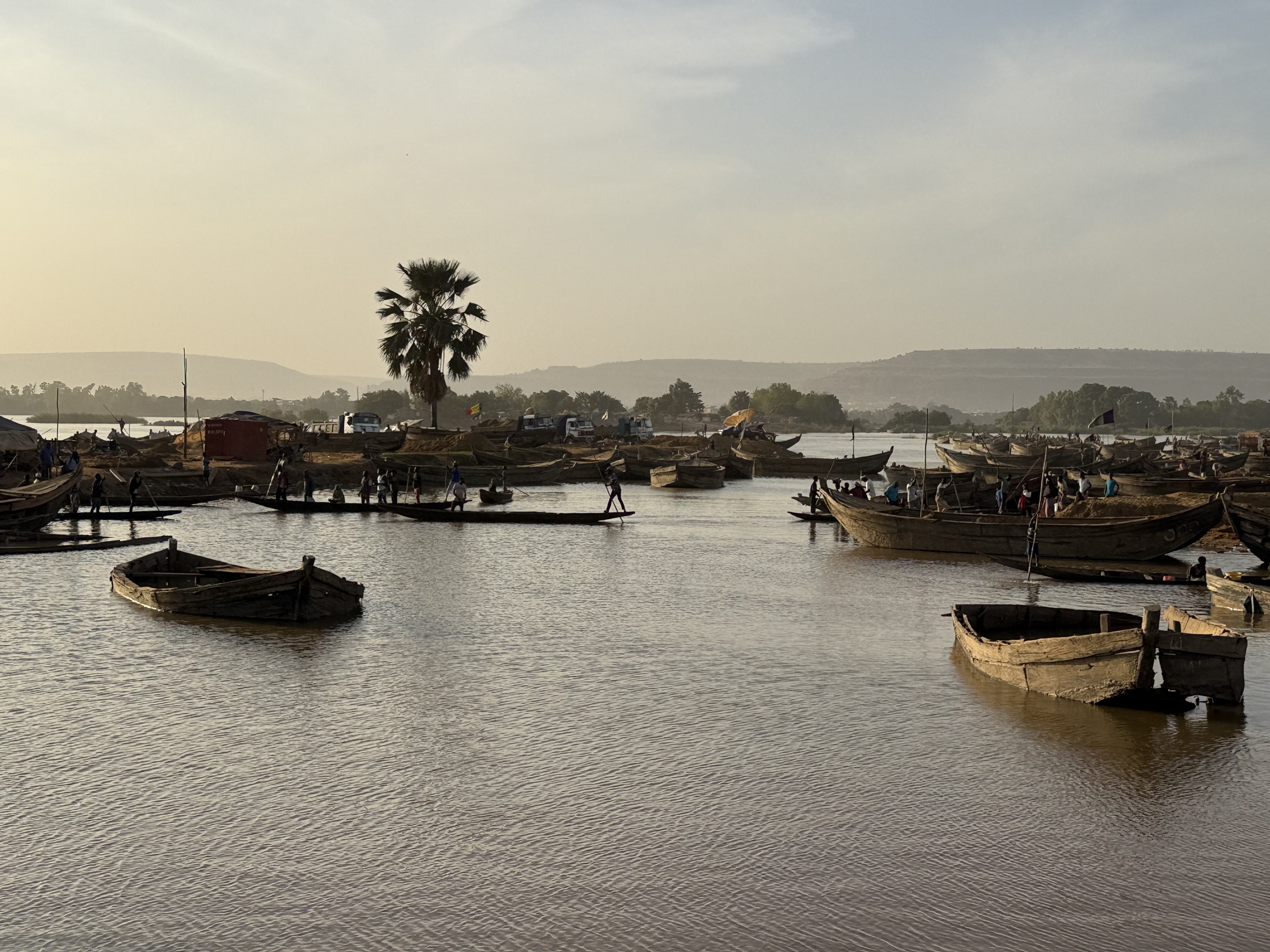
Songhay is one of the main languages on the Niger river and is incredibly important in places like Timbuktu, Gao and the capital of Niger, Niamey. Historically this is known as the language of empires due to the historical significance of the Malian and Songhay Empires. For the western Sahel particularly around the best tourist sites in Mali, Songhay is the way to go!
Tamasheq (Tuareg, Amazigh and Berber languages)
Spoken in northern Mali, Algeria, Libya, Chad and Niger this is the language of the nomads. There is quite a diversity of the Berber languages across the Sahara, but the Tuareg dialect is the most common found in the Sahel region. Berber languages extend all the way to Mediterranean coast and prior to Arab conquests of the region, was the main language spoke in parts of North Africa. There are many amazing bands that speak Tamasheq such a Tinariwen and Tikoubaouine. We can’t stress this enough how amazing this music is, so please go and have a listen!
Kanuri
Kanuri is popular in northeastern Nigeria, Niger and western Chad and is the main language that you can hear being spoken around Lake Chad.
Should I avoid speaking any language in the region?
Due to the sensitive nature on how many feel towards the French in Mali, Burkina Faso and Niger it is best to try learn some local phrases. People there do still speak French, and they will understand that as a foreigner you are more likely to speak French as a basic means of communication compared with local languages. They too will speak French to you as a foreigner if they don’t speak English.
You don’t need to avoid speaking French, but we would advise overall learning greetings in the local tongue and then switching to French if you speak it. Just know there is an overall animosity towards France at the current time and speaking a local language even if it is just to say “thank you” is a great way to break the ice.
For more information on travel to the Sahel, check out our in-depth destination guides on our website here.
How can I travel with Saiga to Africa?
Check out our Africa tour dates here on our website and send us an email to [email protected] to secure your spot!