Cameroon is often called Africa in miniature. Cameroon is a Central African gem that packs every major landscape of the continent, from the Saharan savannas of the north to the humid, ancient rainforests of the south. Cameroon is also waiting to be discovered, often bypassed by tourists heading to the more adventurous West Africa or the more Tourist friendly East and Southern Africa. Whether you are seeking the grit of a bustling metropolis, the serenity of a white-sand beach, or the physical challenge of an active volcano, Cameroon delivers it all.
This comprehensive guide dives deep into the 15 most significant sights in Cameroon. To give you the best experience, I’ve organized these by urban hubs and adventure regions, detailing exactly what to see, why it matters, and the logistics of your visit.
1. Douala: Commercial heart and cultural centre of Cameroon
As Cameroon’s largest city and main port, Douala is a high-energy introduction to the country. It is the best place to witness the fusion of colonial history and modern West African commerce. Douala is the heartbeat of the nation's economy. Exploring the city provides a narrative of how Cameroon transitioned from a collection of coastal kingdoms to a colonized territory and finally to a modern economic power.
-
What to See:
- The Maritime Museum: Shaped like a massive ship, this museum explores the Atlantic trade, colonial naval battles, and the history of the Sawa people. You'll see ancient navigation tools and detailed exhibits on the Douala kings.
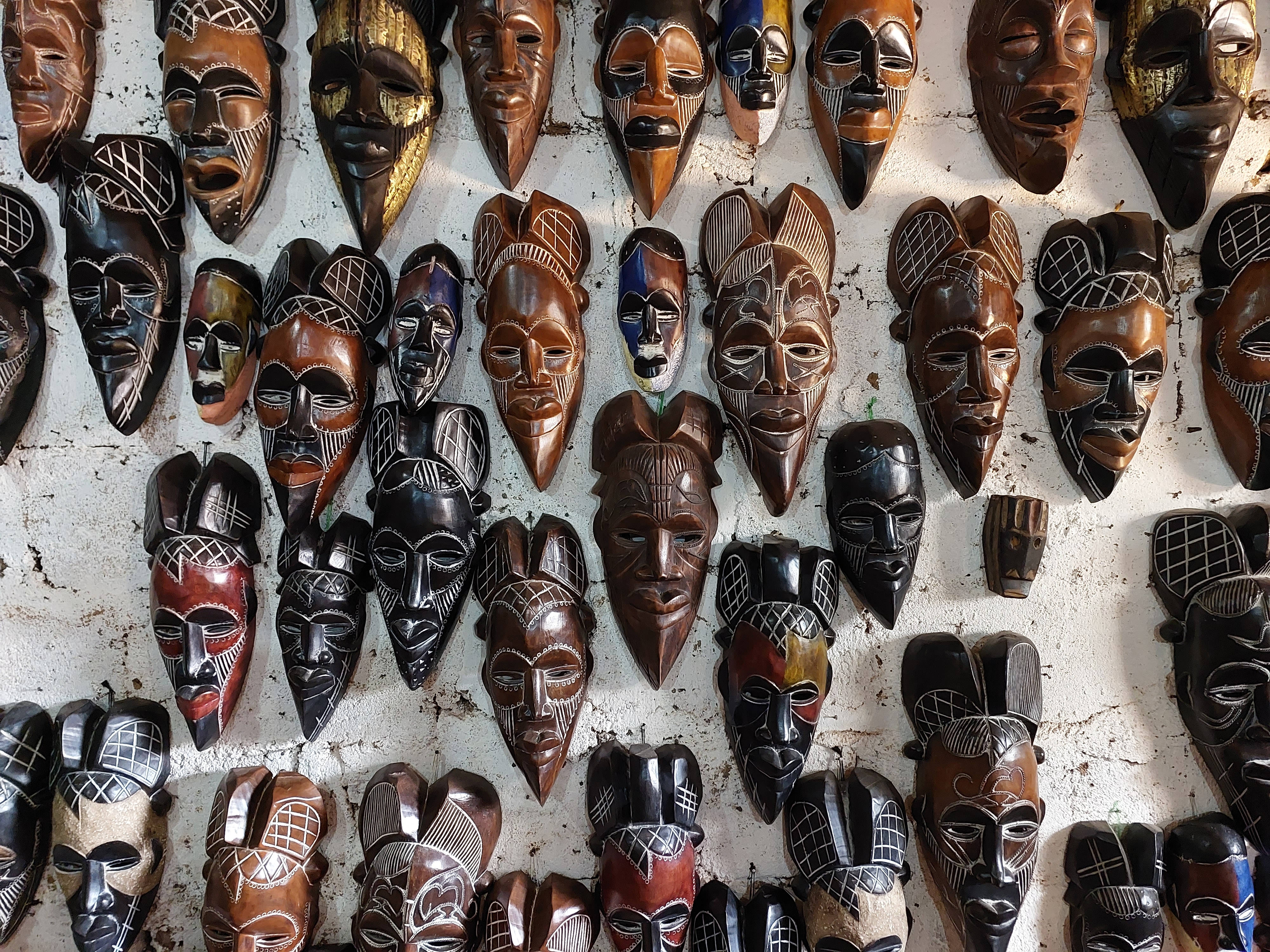
- Marché des Fleurs: This is the city's premier artisanal hub. You’ll find high-quality wood carvings, bronze statues from the West Region, and traditional textiles.
- La Pagode (Palace of King Bell): Built in 1905, this architectural wonder has a roof resembling a pagoda. It was the residence of King Rudolf Duala Manga Bell, a national hero executed by the Germans.
- Cathedral of Saints Peter and Paul: A neo-Romanesque landmark with vibrant frescoes and twin towers that dominate the skyline.
- Fees/Hours: Museum: 3,500 XAF (Tue–Fri 9:00 AM – 5:30 PM). Cathedral and Pagode (exterior) are free.
2. Yaoundé: The political capital
Built on seven hills, the capital is greener and more laid-back than Douala. It serves as the centre of the nation's political, diplomatic, and academic life. Yaoundé offers the best "overview" of the country. If you cannot travel to every corner of Cameroon, the museums and monuments here synthesise the diverse cultures and political history into one accessible location.
-
What to See:
- The National Museum: Housed in the former presidential palace, this is a world-class repository of tribal masks, thrones, and musical instruments representing over 250 ethnic groups.
- Reunification Monument: A massive spiral concrete tower representing the 1961 union of British and French Cameroon. The mosaic-covered basement tells the story of the nation's birth through symbolic art.
- Mefou National Park: A sanctuary for rescued primates managed by Ape Action Africa. You can see gorillas and chimpanzees in a "semi-wild" forest setting.
- Basilica of Mary Queen of Apostles: An architectural masterpiece at Mvolye, built on 12 pillars with stunning stained glass and traditional Bamoun bronze work.
- Fees/Hours: National Museum: 5,000 XAF (Tue–Sun 10:00 AM – 5:00 PM). Mefou Park: 10,000 XAF (Weekends by reservation).
3. Foumban Royal Palace & Museum
The main drawcard is the incredible museum building which is built in the shape of a spider with two protruding snakes heads providing the entrance and exit for the museum.
Foumban is the historical seat of the Bamoun Sultanate, one of the oldest and most organized traditional kingdoms in Central Africa. The 1917 palace is a blend of German colonial and local styles. Inside, you’ll see ancient royal regalia, weaponry, and documents written in the unique Bamoun script invented by King Njoya. Foumban It is a rare example of a pre-colonial African kingdom that successfully preserved its cultural and artistic heritage. The "Rue des Artisans" nearby is the best place in the country to see traditional bronze casting.
- Location: Foumban, West Region. 70 km (1.5 hours) from Bafoussam.
- Fees/Hours: Entry: 7,000 XAF (Tue–Sun, 9:00 AM – 5:00 PM).
4. Batoufam Royal Palace & Museum
No list of Cameroon would be complete without the Chefferie de Batoufam, one of the most architecturally significant and well-preserved Chieftaincies in the Western Highlands.
The palace is a sprawling complex of traditional bamboo and raffia-leaf structures with iconic conical roofs. As you enter through the grand portal, you are greeted by a series of courtyards lined with intricately carved wooden pillars depicting ancestral spirits and royal lineages. Inside the Royal Museum, you will see the Treasury, which houses beaded thrones, ceremonial masks, and leopard-skin regalia. You may also witness the "Case des Femmes," where the King’s wives reside, and the sacred forest surrounding the palace where ancient rituals are still performed.
- Location: Batoufam, West Region. It is situated directly along the "Route des Chefferies" (Road of the Chieftaincies). Approximately 25 km (30 minutes) south of Bafoussam and about 280 km (5 hours) from Douala.
- Fees/Hours: Entrance and guided tour: 5,000 XAF. Extra fee for photography (approx. 2,000 XAF). Open Daily, 9:00 AM – 5:00 PM.
5. Mount Cameroon
Known locally as Mongo ma Ndemi (Mountain of Greatness), this active volcano reaches 4,040 metres. It is a legendary site for hikers and naturalists alike. You will witness a dramatic shift in ecosystems, from dense tropical rainforest at the base to sub-alpine heath and volcanic craters near the summit. If you time it right, you can see the "Race of Hope" in February. Mount Cameroon is the highest peak in West Africa. Reaching the summit is considered a rite of passage for adventurers in the region, offering 360-degree views that can reach as far as the island of Bioko on clear days.
- Location: Near Buea, Southwest Region. 75 km (2 hours) from Douala.
- Fees/Hours: Treks range from 50,000–125,000 XAF (includes guides/permits).
6. Ekom Nkam Waterfalls
Hidden in a dense tropical gorge, these twin falls represent the raw power of Cameroon’s river systems. Two massive columns of water fall 80 meters into a mist-filled basin. You can hike to several viewpoints, including one that puts you right at the edge of the drop. Eko Nkam Waterfalls was the filming location for the movie The Legend of Tarzan. It remains one of the most pristine and powerful natural sites in the country, often shrouded in a mystical morning fog.
- Location: Near Melong, Littoral/West border. 160 km (3 hours) from Douala.
- Fees/Hours: Entry: 3,000 XAF (8:00 AM – 5:00 PM).
7. Chutes de la Lobe
This is a rare geographical phenomenon where the Lobé River plunges over 20 meters directly into the salt waters of the Atlantic Ocean. Here you can take a traditional pirogue (canoe) to the base of the falls to feel the mist. Afterward, visit the surrounding white-sand beaches where local fishermen sell fresh giant prawns.
Chute de la Lobe It is one of the few places on earth where a river falls directly into the sea. Culturally, it is a sacred site for the local Pygmy and Batanga peoples, who perform traditional healing rituals in the waters.
- Location: 7 km south of Kribi. 170 km (3 hours) from Douala.
- Fees/Hours: Beach access is free. Boat rides are 5,000–10,000 XAF.
8. Waza National Park
A UNESCO Biosphere Reserve, Waza is the quintessential African savanna located in the northern tip of the country. During the dry season, you will see massive herds of elephants, Kordofan giraffes, lions, and gazelles gathering at the remaining watering holes. The birdlife, including ostriches and marabou storks, is immense.
Waza National Park It is Cameroon’s premier wildlife destination. It offers a stark contrast to the jungles of the south, showcasing the "Sahelian" side of the country's "Africa in Miniature" identity.
- Location: Waza, Far North Region. 120 km (3 hours) from Maroua.
- Fees/Hours: Entry: 10,000 XAF. Best visited Nov–May.
9. Limbe Wildlife Centre
This is a globally recognized sanctuary that provides a home for primates orphaned by the illegal bushmeat and pet trades. You will see gorillas, chimpanzees, and the rare drill (a primate found only in this region and parts of Nigeria). The centre focuses on education, with clear signage about the species' roles in the ecosystem.
Unlike a standard zoo, this is a conservation-first facility. It offers a sobering but hopeful look at the efforts to save Cameroon’s endangered great apes and the rainforest they inhabit.
- Location: Limbe , Southwest Region. 80 km (1.5 hours) from Douala.
- Fees/Hours: Entry: 5,000 XAF (Tue–Sun, 9:00 AM – 4:00 PM).
10. Benedictine Museum of Mont Febe
Managed by the monks of the Mont Febe monastery, this museum houses a hidden treasure trove of Cameroonian art. Here is housed an incredible collection of masks, bronze statues, and traditional musical instruments. The museum is small but dense, and the hilltop location offers the best panoramic view of Yaoundé.
The collection was curated by monks who sought to preserve local culture during the colonial era. It offers a peaceful, meditative look at the artistic soul of the country.
- Location: Mont Febe, North Yaoundé.
- Fees/Hours: Entry: 2,000 XAF (Daily 9:00 AM – 5:00 PM).
11. Lake Nyos
Lake Nyos is a deep crater lake formed in an old volcanic vent. While visually stunning with its deep blue waters and steep rocky rim, it is most famous globally for the limnic eruption in 1986 which resulted in many deaths both human and animal. Today, it is a site of both immense natural beauty and high-tech geological monitoring.
Visitors will see large, vertical polyethylene pipes in the centre of the lake. These are part of a massive international engineering project designed to slowly release carbon dioxide from the lake bed to prevent future disasters.
Near the lake, there are small monuments and abandoned villages that serve as a poignant reminder of the power of nature and the resilience of the local survivors who have since returned to the surrounding valleys.
- Location: Northwest Region, near the town of Wum. Approximately 110 km (about 3–4 hours due to mountainous terrain) from Bamenda.
- Fees/Hours: There is no official "gate" or fee to view the lake, but visiting requires a sturdy 4x4 and it is highly recommended to hire a local guide from Wum to navigate the rugged access roads. Best visited during daylight hours.
12. Bimbia Slave Port
Located on the rugged, jungle-clad coastline of the Southwest Region, Bimbia was once a major independent state and a primary exit point for enslaved people destined for the Americas.
As you trek through the dense coastal forest, you will encounter the remains of the slave pens, stone structures where people were held before being boarded onto ships. You’ll see the heavy iron shackles and chains still embedded in the stone or preserved in the small on-site museum. The most poignant sight is the "Door of No Return," a narrow opening in the rocks leading directly to the crashing waves of the Atlantic, where the final departure took place.
Bimbia was rediscovered in the late 1980s and has since become a place of pilgrimage for the African Diaspora. It is essential for understanding the scale of the trade in the Bight of Biafra. Unlike the sanitized museums of Europe, Bimbia’s raw, vine-covered ruins provide a visceral, unfiltered connection to the past.
- Location: Bimbia, near the town of Limbe, Southwest Region. It is situated on the coast of the Ambas Bay. Approximately 15 km (30–45 minutes) from the center of Limbe via a rugged dirt road. It is about 95 km (2.5 hours) from Douala.
- Fees/Hours: Entrance fee is approximately 5,000 XAF. It is mandatory to hire a local guide (usually available at the site entrance) to explain the complex history and navigate the forest trails. Open Daily, 8:00 AM – 5:00 PM.
13. Lake Chad
While the lake has receded significantly, the area around Blangoua is a vital intersection of life in the Sahel and have the adventure is getting there. Located in the most remote corner of Cameroon, Lake Chad is almost as remote as you can get, yet is still a bustling commercial centre and traditional home for many people.
You will see a bustling border economy where people from Cameroon, Chad, and Nigeria trade fish and cattle. The sight of traditional flat-bottom boats navigating the marshes is unique to this region. It is also the frontline for understanding climate change and regional cooperation. It offers a glimpse into a way of life that has existed for centuries on the edge of the desert.
- Location: Blangoua, Far North tip. 250 km (6 hours) from Maroua.
- Logistics: Travel with an authorized guide from Maroua for security and navigation.
14. Grand Batanga
This coastal village was once a centre of German colonial administration and now serves as a quiet historical retreat. Pristine, quiet beaches is what you’ll find as well as the tomb of King Madola, a local leader who resisted colonial rule. There is a small but poignant museum detailing the history of the Batanga people.
Grand Batanga offers a more authentic, less touristy alternative to the main Kribi beaches. It is a place to reflect on the country's colonial history while enjoying the natural beauty of the Gulf of Guinea.
- Location: 12 km south of Kribi.
- Fees/Hours: Museum: 2,000 XAF. Beaches are free.
15. Lake Baleng (Crater Lake)
This sacred crater lake is a jewel of the Western Highlands, nestled within a lush volcanic depression. Lake Baleng is a deep, still lake surrounded by evergreen trees. The hike to the crater rim provides sweeping views of the Bafoussam countryside. You may see local residents performing traditional rituals at the water’s edge.
- Location: 6 km (20 minutes) from Bafoussam.
- Fees/Hours: Generally free; best visited in the early morning for the best views.
Now that you've read about the highlights it's time for you to start planning your trip to Cameroon, the best place to start is by viewing our Cameroon group tours on our website here. For more practical information on travel to Cameroon, check out our in-depth destination guide .