Do I Need a Visa for Venezuela?
Most travellers require a visa obtained before arrival. Citizens of some countries benefit from visa-free entry for up to 90 days via air or sea, but overland entry requires prior approval. U.S. citizens apply at consulates and should allow for longer processing times. A passport valid for at least six months is required. Read more about the visa requirements for Venezuela here.
When Is the Best Time to Visit Venezuela?
The dry season, December to April, offers the best weather for sightseeing and outdoor activities with clear skies and moderate temperatures. The rainy season between May and November brings lush landscapes along with increased mosquito risks and occasional flooding, notably in rainforest and delta areas. Venezuela’s Carnival (February–March) is a vibrant cultural highlight.
What Are the Top Attractions in Venezuela?
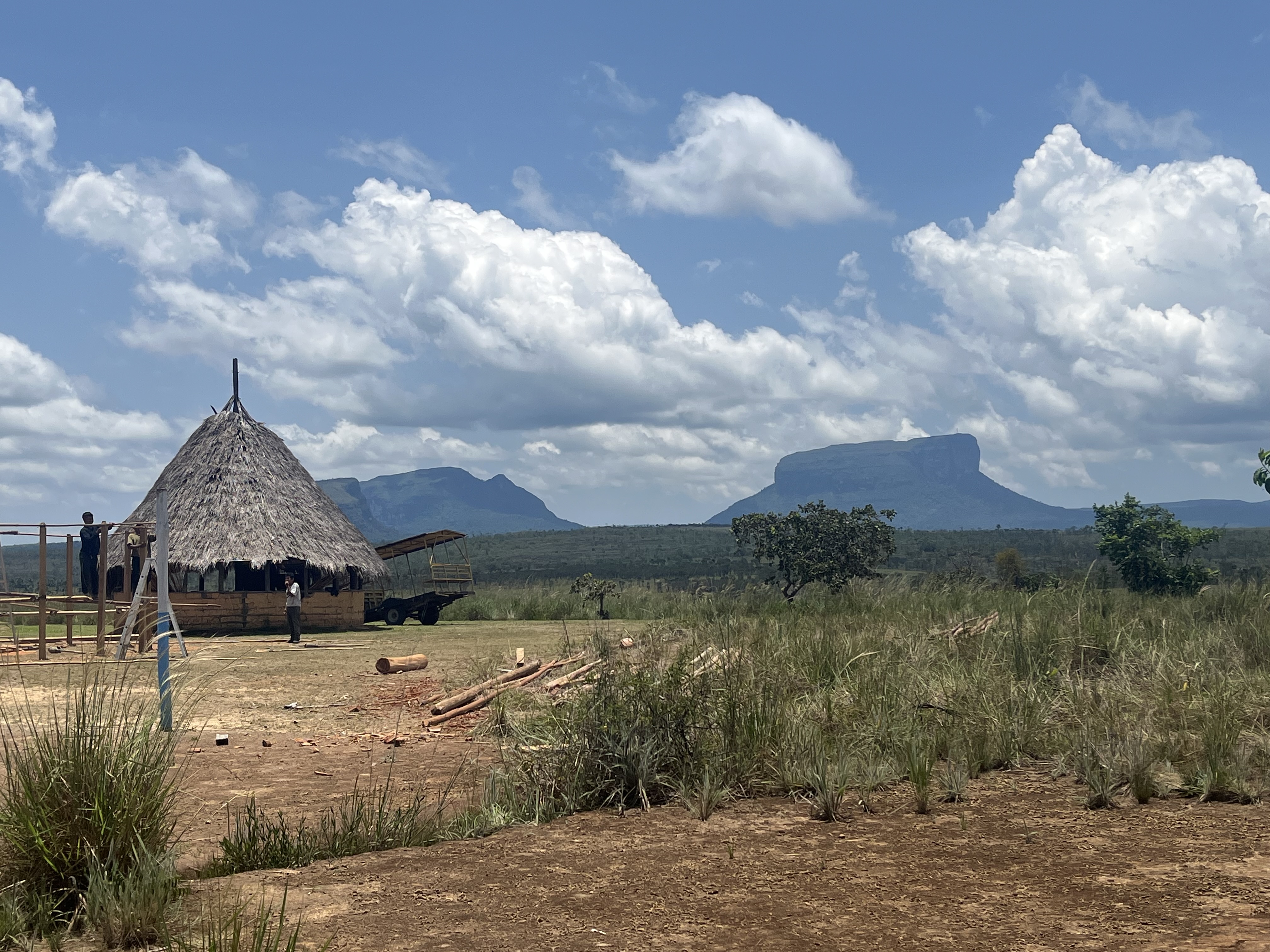
Venezuela is famous for Angel Falls, the world’s highest waterfall; the striking tepuis of Canaima National Park; the marine-rich Los Roques archipelago; Margarita Island’s beaches and water sports; colonial Coro; the Andes Mountains and Mérida cable cars; and, of course, cosmopolitan Caracas.
Is Venezuela Safe for Tourists?
Due to political instability and high crime rates, travel advisories often warn against visiting Venezuela. However, staying within reputable guided tours in regulated areas like Los Roques, Mérida, and Margarita can mitigate risks. Avoid night travel, border zones, and displaying valuables.
Do I Need to Carry Cash in Venezuela?
Yes, large parts of Venezuela operate on a cash basis with limited ATM access. US dollars are widely accepted throughout the country. Carry sufficient cash reserves as a safety buffer.
What Vaccinations Are Required for Visiting Venezuela?
Yellow fever vaccination with certification is compulsory for arrivals from endemic regions.
How Is Transport in Venezuela?
Domestic flights link main cities and tourist destinations efficiently. Buses offer a budget option but can be unreliable. Using pre-booked guided transfers enhances safety and convenience.
What Is Venezuelan Food Like?
Traditional dishes include arepas (stuffed corn cakes), empanadas, and pabellón criollo (shredded beef, black beans, rice, and plantains). Seafood is abundant on the coast, and tropical fruits are readily available. Street food is freshly prepared and the best way to experience Venezuela cuisine. Vegetarian options are limited outside larger cities. Read more about food and drinks in Venezuela here.
What Are Major Festivals in Venezuela?
Carnival in Caracas (February to March) and Mérida’s Feria del Sol (August) are significant celebrations featuring music, dance, and folkloric traditions.
Is There a Black Market for Money in Venezuela?
Yes. Venezuela has a large, unofficial black market for currency exchange due to government-imposed currency controls. The official exchange rate is generally unfavourable and often inaccessible, leading to a parallel market rate that fluctuates daily. While unofficial, the black market is widely used by locals and savvy travellers to exchange US dollars for Bolívares at more realistic rates. Exercise caution and use trusted sources to avoid scams when engaging in black market exchanges. Read more about the money situation in Venezuela here.