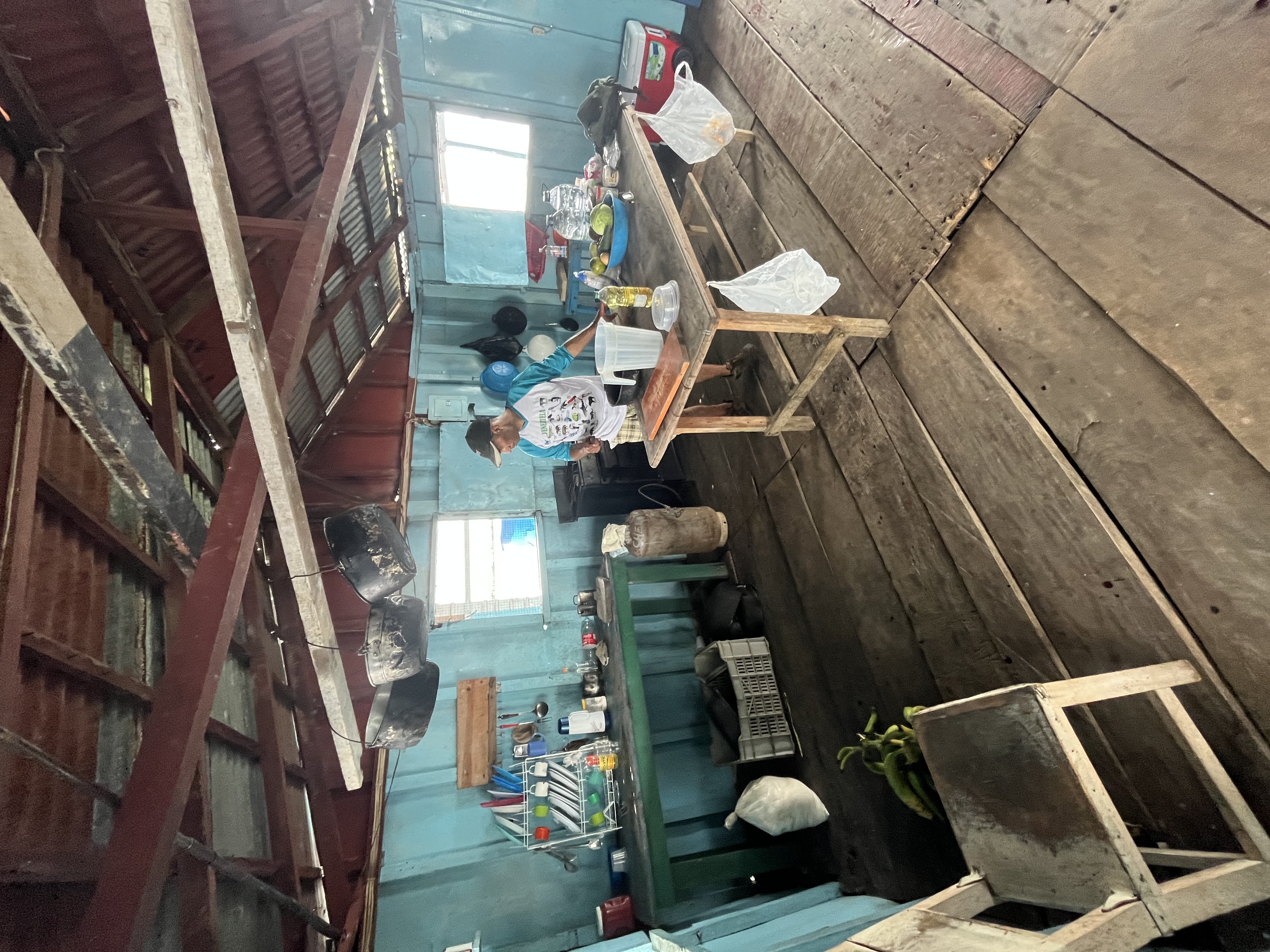
Venezuelan cuisine reflects the rich tapestry, ethnically and historically, of Indigenous, Spanish, African, and Caribbean influences. Its foundation rests on corn, beans, plantains, rice, and beef, forming the core ingredients of many traditional dishes.
Must-Try Venezuelan Dishes
- Arepas: Perhaps Venezuela’s most iconic food, arepas are grilled or fried cornmeal patties filled with various ingredients. Popular fillings include cheese, shredded beef, black beans, or avocado. Arepas serve as a versatile, portable meal enjoyed across the country from street stalls to home kitchens.
- Pabellón Criollo: Venezuela’s national dish, pabellón criollo, layers shredded stewed beef, black beans, white rice, and fried sweet plantains. It balances savoury, earthy, and sweet flavours, symbolising the country’s cultural diversity in one plate.
- Hallacas: A festive pre-Christmas tamale made from corn dough stuffed with a richly seasoned mixture of meats (beef, pork, chicken), raisins, olives, and capers, all wrapped in banana leaves and boiled. Eating hallacas is a cherished family tradition during the holiday season.
- Cachitos: Soft, buttery croissant-like buns filled with ham or cheese, cachitos are a popular breakfast item or snack throughout Venezuela.
Regional Specialties in Venezuela
- Los Llanos (plains): Known for its cattle ranches, Los Llanos specializes in grilled meats cooked a la parilla (open flame grilling), often accompanied by arepas (cornmeal cakes) or cassava, a starchy root vegetable. This simple yet satisfying fare highlights Venezuela’s rich beef culture.
- Caribbean Coast: Fresh seafood dominates, served in dishes made from snapper (pargo), kingfish (carite), dorado, and lobster. Sancochos (hearty seafood stews) are a coastal staple, combining different fish and shellfish simmered with local tubers and spices.
- Andes Mountains: The culinary character shifts to freshwater trout and soups like pisca, a thick, creamy soup flavoured with garlic, herbs, and sometimes eggs, reflecting broader Andean traditions.
- Amazon and Orinoco Basin: The food here reflects Indigenous heritage, featuring exotic ingredients such as fried ants (a seasonal delicacy), piranhas cooked in stews, and capybara meat, prepared traditionally to preserve ancestral flavours.
Desserts and Sweets
- Huevos chimbos: A colonial-era recipe of egg yolks slow-cooked in a sugar syrup flavoured with cinnamon and cloves, resulting in a dense, rich treat.
- Bienmesabe: A moist sponge cake soaked in coconut milk and sugar syrup, its name means "it tastes good to me", capturing Venezuelans’ love for sweet comfort food.
- Quesillo: A Venezuelan rendition of flan, quesillo is a custard made from eggs and sweetened condensed milk, topped with a layer of caramel. It is a smooth, creamy dessert associated with family gatherings and celebrations.
- Bocadillo de Coco: A chewy coconut jelly, often paired with cheese and enjoyed as an afternoon snack or dessert in coastal areas.
Drinks
- Coffee: Venezuelan coffee is rich and aromatic, often brewed strong and sweetened. Coffee culture is central, with local beans grown primarily in the Andean foothills.
- Fresh fruit juices and batidos: The tropical climate produces abundant fruits like mango, guava, passionfruit, and chirimoya, which are blended into refreshing juice drinks or shakes (batidos).
- Chicha: A traditional drink made from fermented or sweetened rice or corn, sometimes enriched with condensed milk and flavoured with spices such as cinnamon, popular especially in coastal regions.
- Beer and Spirits: Local beers, notably Polar, are popular and widely available. Rum, including internationally recognized brands like Santa Teresa and Diplomático, is consumed both straight and in cocktails.