Visa
Most travellers require a visa prior to arrival. Citizens of Spain and France enjoy a 90-day visa-free stay by air or sea but require pre-approval for overland crossings. U.S. citizens and many others must apply at Venezuelan consulates, with longer wait times being typical. Passports must be valid for at least six months. A yellow fever vaccination certificate is mandatory if arriving from endemic areas.
Getting in and Out
International flights mainly arrive at Caracas Maiquetía Airport, also served by secondary airports in Maracaibo and Valencia. Regional flights connect to destinations including Mérida, Los Roques, and Canaima. Overland border crossings are strictly controlled and generally discouraged for casual travellers due to safety and paperwork complexity.
See and Do
Caracas
Venezuela’s capital is both a modern city and a hub of revolutionary history. Visit the Plaza Bolívar, surrounded by colonial buildings, and the National Pantheon where the remains of Simón Bolívar and Hugo Chávez lie side by side. The bustling markets and street food scenes offer authentic urban experiences, while El Ávila National Park provides a green escape with panoramic views over the city.
Angel Falls and Canaima National Park
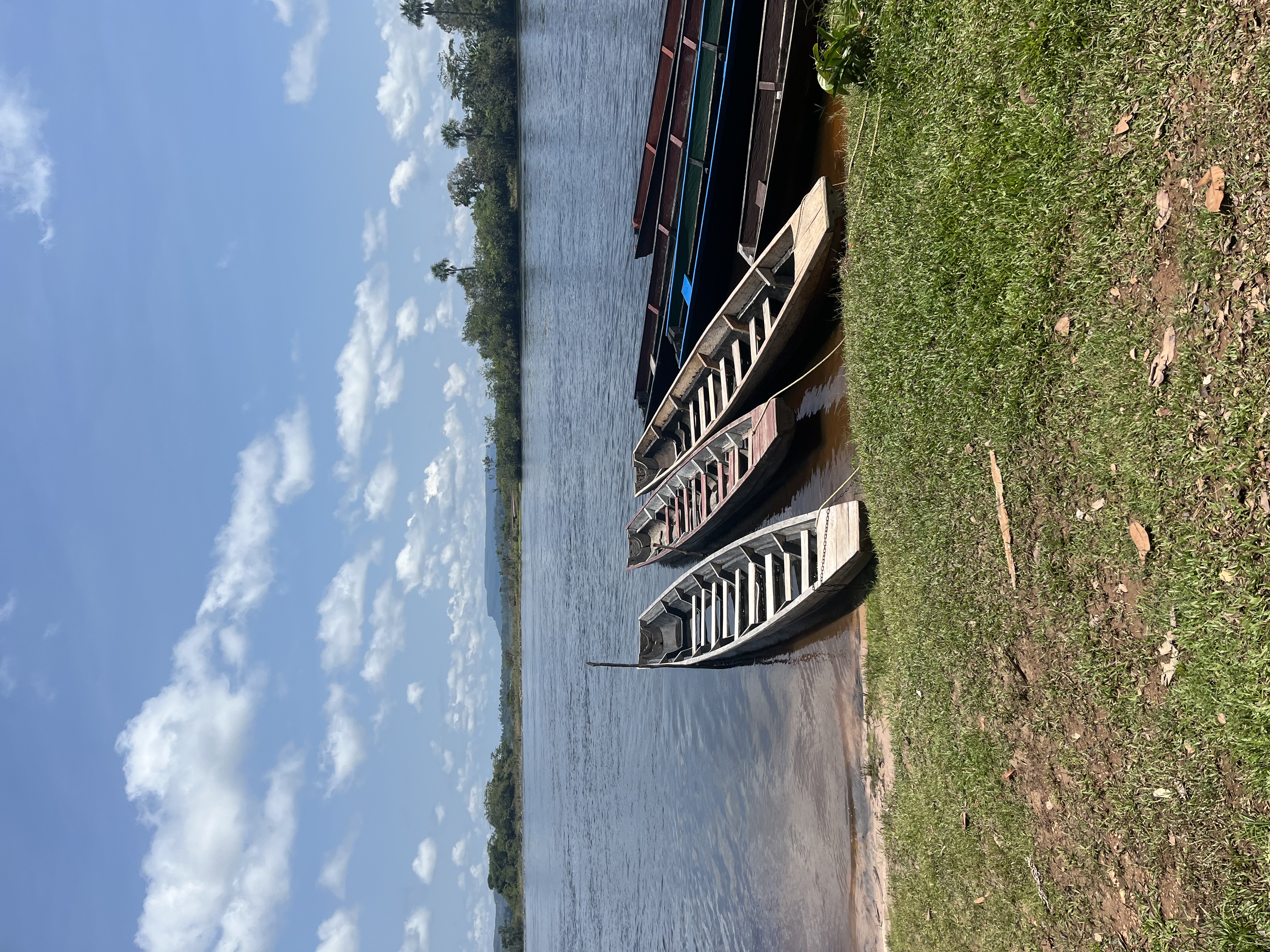
The iconic Angel Falls, the tallest waterfall in the world, is the pinnacle of Venezuelan nature. Located deep in Canaima National Park, access involves riverboat trips and jungle treks, rewarding visitors with awe-inspiring landscapes. The park’s other tepuis and waterfalls offer multiple trekking options rich in biodiversity and indigenous culture, and although Angel Falls is the famous one, some of the other waterfalls are just out of this world.
Catatumbo Lightning
Near Lake Maracaibo, the Catatumbo Lightning is a natural wonder featuring almost nightly lightning storms illuminating the skies. It’s one of the most spectacular and unique phenomena in Venezuela, drawing nature lovers and photographers.
Gran Sabana
This vast region is famous for its surreal tabletop mountains, waterfalls, and savannahs. Its trails lead to majestic falls such as Kukenán and Lagunita, and it hosts indigenous Pemon communities where visitors can learn local traditions. The Gran Sabana’s landscapes are otherworldly, offering unique photographic opportunities.
Los Roques Archipelago
A spectacular Caribbean paradise of over 300 islands and cays, Los Roques is ideal for snorkelling, diving, and relaxation. Its white beaches and clear waters are pristine, attracting both adventurous travellers and those seeking tranquillity.
Margarita Island
Known for sun-drenched beaches like Playa El Agua and Playa Parguito, Margarita Island also boasts lively markets, nightlife, and historic sites like the Castillo de San Carlos de Borromeo. It is a major tourist draw for locals and international visitors alike.
Coro and Médanos de Coro National Park
The colonial town of Coro showcases colourful buildings and cobbled streets recognised by UNESCO. Nearby Médanos National Park features towering desert sand dunes, perfect for adventurous exploration in stark natural beauty.
Mérida
Nestled in the Andes, Mérida is famed for its cable car system – the world’s highest and longest in fact – which offers spectacular mountain views. The city is a launching point for hiking, paragliding, and discovering local culture with bustling markets and cafes.
Orinoco Delta
This vast river delta is home to indigenous Warao communities and rich wildlife. Tours explore labyrinthine waterways, rare bird species, and traditional stilt houses, offering an immersive cultural and ecological experience.
Why Visit Venezuela?
Venezuela offers unparalleled natural landscapes, unique biodiversity, and rich cultural heritage. Most importantly, you’ll get the chance to experience Socialism of the 21 st Century, the cult of personality surrounding Hugo Chavez and this one South American country’s attempts at communism.
Dress Code
Venezuelans dress casually but neatly in cities; breathable, comfortable clothing is ideal for tropical zones. In sacred indigenous areas, more modest attire is recommended. Beachwear is suitable on coastal islands and beaches. Dress to blend in to avoid unwanted attention; avoid flashy or provocative clothing, especially in urban areas.
Topics for Discussion
Venezuelan people are famously passionate and love a good debate. Conversations can be intense and animated, covering a wide range of topics from politics and economics to social issues and culture. Much of this energy is rooted in Venezuela’s turbulent recent history, with strong feelings about figures like Hugo Chávez and Nicolás Maduro and the country’s experiment with socialism in the 21st century. Venezuelans take pride in their cultural diversity and democracy and are eager to express their opinions, challenge ideas, and engage in lively discussions. For travellers, this means being prepared for open, often spirited exchanges – Venezuelans enjoy dialogue that is genuine and thoughtful rather than superficial small talk.
Religion
Catholicism dominates (approx. 71%), with protestant evangelical presence at around 17%, and various indigenous beliefs comprising a smaller share. You will see Christianity everywhere in Venezuela and even its socialist leadership follow conservative catholic teaching on social issues. Imagine a right wing European who supports gay marriage speaking to a far-left Venezuelan who is morally opposed to it.
Ethnicity
About 51.6% of Venezuelans identify as mestizo, meaning they have mixed European and Indigenous ancestry. Around 43.6% are of predominantly European descent, primarily Spanish, but including Italian, Portuguese, and German heritage. Afro-Venezuelans, those of African ancestry, make up approximately 3.6% of the population, mostly residing in coastal regions historically linked to slavery. Indigenous peoples constitute roughly 2-3% of Venezuela’s population and live mainly in the southern Amazon basin and Andean states.
Politics in Venezuela
Venezuela’s political landscape remains deeply shaped by the legacy of Hugo Chávez and his successor Nicolás Maduro. Chávez, elected in 1998, launched the “Bolivarian Revolution”, a leftist project emphasizing socialism in the 21st century, increased state control of the economy, and redistribution programs targeting poverty and inequality. His charismatic leadership and populist policies secured broad support amongst Venezuela’s poor, while his tenure drew criticism for authoritarian tendencies and weakening democratic institutions.
Chávez was re-elected multiple times, serving from 1999 until his death in 2013 due to cancer. During his rule, he implemented extensive social reforms and politicized the military and judicial systems, consolidating power. His government nationalized key industries, including oil, which is Venezuela’s economic backbone, while also facing allegations of corruption and economic mismanagement.
Following Chávez’s death, Vice President Nicolás Maduro assumed the presidency in 2013 after a disputed election. Maduro’s tenure has been marked by economic collapse, hyperinflation, food and medicine shortages, and severe political unrest. His administration retains a socialist ideology aligned with Chávez’s vision but faces international condemnation, sanctions, and internal opposition.
Elections since 2015 have often been criticized as unfair or fraudulent by opposition groups and international observers.
Photography
Photography is generally permitted in public places, natural parks, and tourist sites. Always ask permission before photographing individuals, particularly indigenous people. Military, police, and government buildings are off-limits. Respect privacy and local customs.
Hotels
Accommodation ranges from luxury resorts in Margarita and Los Roques to basic hostels in urban centres. Remote areas offer eco-lodges and basic campsites.
Nightlife
Venezuela offers diverse nightlife mainly in Caracas, Mérida, and Margarita Island. Options include lively music venues featuring genres like salsa, merengue, and reggaeton, as well as bars and clubs. Night travel should be undertaken with caution.
Shopping
Markets and artisan fairs offer handmade crafts including textiles, ceramics, and jewellery. Key items include products from Indigenous and Afro-Venezuelan cultures. Bargaining is expected in markets.
Best Time to Visit Venezuela
The dry season (December–April) provides excellent weather for travel and outdoor activities. The wet season (May–November) brings lush landscapes but increased mosquito activity and occasional flooding, impacting accessibility.
What to Eat
Venezuelan cuisine features arepas (thick cornmeal patties) filled with cheese, meats, or beans; pabellón criollo – a hearty dish of shredded beef, rice, black beans, and plantains; hallacas, traditional tamales wrapped in banana leaves with a mix of meats, raisins, and olives, enjoyed at Christmas; and cachitos, savory croissants. Coastal areas specialize in seafood such as fried pargo (snapper) and lobster. Tropical fruits and local coffee complete the culinary offerings.