Cameroon is one of Africa’s most diverse countries in terms of climates, people, food, you name it! However, conflict, bad press and previously difficult visas has meant that tourist numbers have remained relatively low. Cameroon however is in a new era and is open for business for tourists to visit. Here is our complete and comprehensive guide on what you need to know before visiting Cameroon.
Why visit Cameroon?
Cameroon is known as Africa in miniature. This is because out of all the countries in Africa Cameroon is by far one of the most diverse. Many nations in the region of Western and Central African boast to have numerous ethnic and linguistic groups that differentiate the peoples there, however the density of this in Cameroon is extremely high. Some put the figure of the number of languages spoken in Cameroon as high as 600!
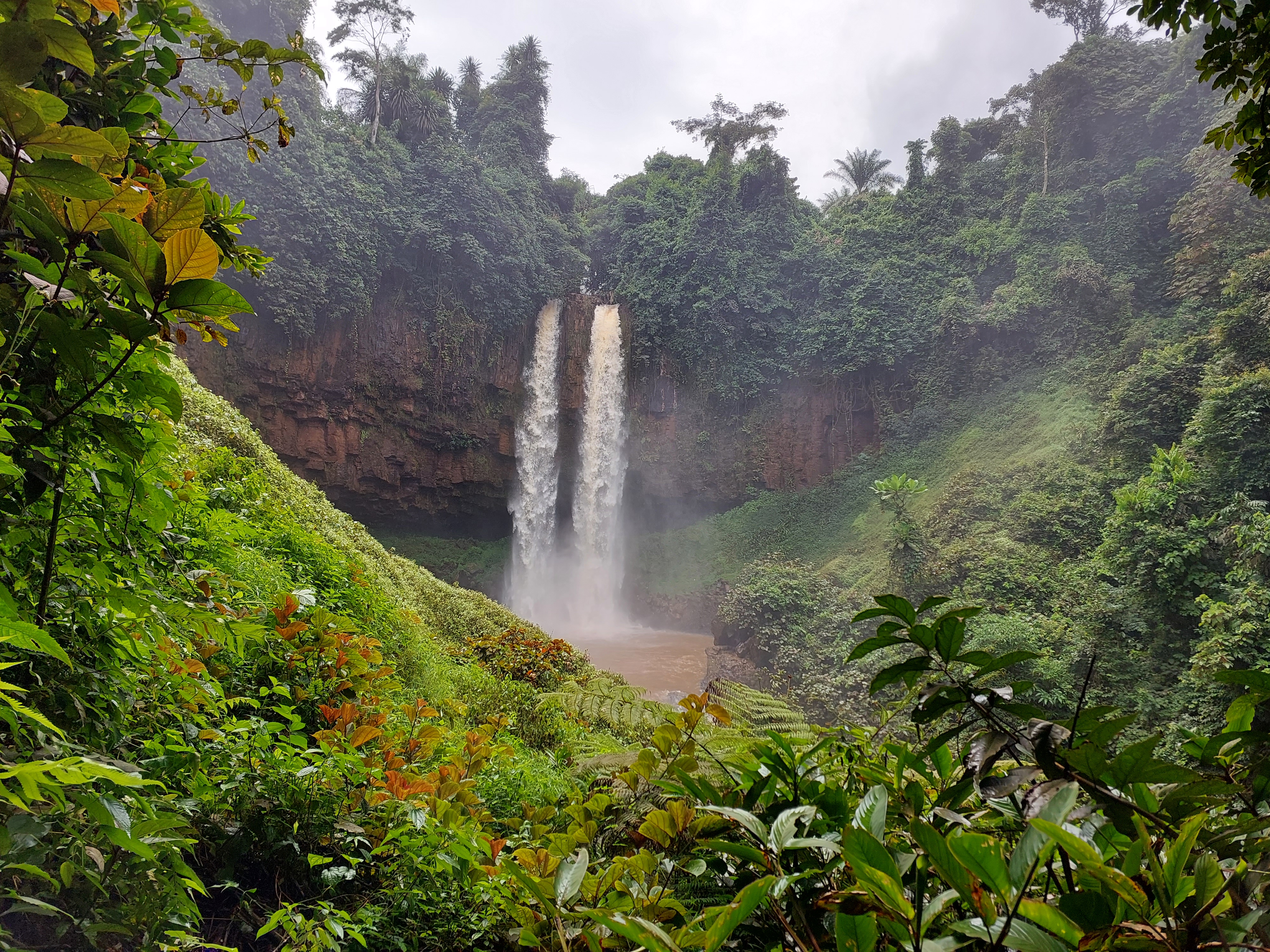
In addition to the diversity the climates of Cameroon vary from the equatorial coast to the arid north which also showcases many of the different climates of Africa. Throughout these climates you have stunning landscapes from super big mountains such as Mount Cameroon which is the highest peak in West and Central Africa (4095m or 13,435ft). The jungles here are lush and teaming with life both with humans and wild animals and boast beautiful waterfalls such as the Ekom Nkam located in the west of the country.
Food here is amazing and some of the best in the region and the people are extremely friendly. The majority of the country is safe to visit and tourism infrastructure is improving with hotels available online. If you’re looking at other destinations in Africa, read our
blog here
to see how Cameroon differs to the rest of Africa.
How to get a visa for Cameroon?
Unless you are from, Chad, Nigeria, Gabon, Republic of Congo, Equatorial Guinea or Mali, you will need to apply for an e-visa. There are two ways that you can go about this:
- You can get someone in Cameroon to do this for you; or
- You can apply through the Cameroon e-visa website.
The time period it takes to get the visa in our experience varies widely. For example, we have previously applied for the normal processing time through the website and it has taken only 3 days, other times it has taken 2 weeks. This is for both applying by ourselves and applying through someone in the country. The majority of the time it takes about a week, but this is certainly not a visa we would leave up to the last minute.
To apply for the visa, you will need the following documents:
- Passport
- Yello fever card (more on this below)
- Letter of invitation
- Proof of funds (a bank statement)
- Proof of employment
- Return flight tickets; and
- Proof of residence (this can be just a copy of your driver’s license with an address)
The price for the normal processing time is €153 and the price for the express visa service is €229. We have used express before and received the visa within 48 hours.
For the yellow card, there may be times when they don’t accept the yellow fever card if it is older than 10 years old. This is not a common issue and technically they are valid for life, however Cameroon does have a reputation for giving some push back on this.
Sometimes for flight tickets they may request flight tickets specifically from your home country for some reason. A simple photo shop job on a flight ticket will fix this issue for you.
For a full comprehensive breakdown and more specifics on what to do when you arrive check out our Cameroon visa blog here .
Getting into Cameroon – Flights and land borders
There are two main airports that have international flights going into Cameroon, these are Douala and Yaoundé. The busiest airport is Douala, with flight connections to Europe and other parts of Africa. Douala is by far the most popular way for people to arrive into the country.
You can also cross into Cameroon from land borders with Nigeria, Central African Republic and Republic of Congo as long as you already have the visas needed for those countries. It is more difficult to get into Gabon and Equatorial Guinea by land, not impossible though.
Our recommendation for the easiest route is Douala by air or by land going to Republic of Congo.
The airlines that fly into Cameroon are Air France, Brussels Airlines, Turkish Airlines, KLM, Air Algerie, Ethiopian Airways, Rwandair, Kenya Airways, Asky, Afrijet, Fly Gabon, Air Côte D’ivoire and Camir-co.
Money – Currency and costs
Cameroon uses the Central African Franc (XAF) which is equal in value to the West African Franc. Locally, the currency is called the CFA or “
see-fah”
and is also used by Chad, Gabon, Equatorial Guinea, Republic of Congo and the Central African Republic (CAR).
The official rate is around 560 to 1 USD however the exchange rate you will get on the ground will be better as most places will exchange at an unofficial rate. One thing to note with currency in Cameroon is that coins are considered particularly valuable because of their scarcity. Getting change is a frustrating nightmare. For more information on changing money in Central Africa
read our blog here
.
The journey to Cameroon can be a little costly after the visa and flights, however on the ground the prices are fairly reasonable. You can find hotels between $40-$80 per night for a decent quality in most places. Meals will be around $5-10 and a beer will usually set you back around $2.
Health
When travelling to Africa one concern of many travellers is health, particularly around vaccines and malaria. The only vaccine that is mandatory for Cameroon is the yellow fever vaccine, not other vaccines are required to enter.
Cameroon is a wet hot country and is very well known for Malaria. So, if you’re wondering if you should take any prophylaxis for it, the answer is a resounding yes. The two main types of medications people use for malaria are doxycycline which is an antibiotic and Malarone (also known as Atovaquone-proguanil). If you take doxycycline remember that you have to take it for an additional 28 days after leaving the zone. With the latter you do not have to do this. For other instructions about taking the medication please consult your GP.
These medications can be prescribed in Europe, USA, Australia and many other countries worldwide.
For more information on Malaria and Africa read our blog: Do I Really Need to Worry about Malaria in Africa?
Safety
This is definitely everyone’s biggest concern when visiting Cameroon as most of the time when Cameroon is in the news, it is because of internal conflict and the country’s ongoing clashes.
If you are coming to Cameroon and enjoying the normal tourist route by visiting Douala, Yaoundé, Batoufam, Bafoussam, Kribe and mainly areas around the centre and south then you don’t have to worry about safety too much. When travelling in Africa in general you should keep your wits about you and watch out for petty crime, but in terms of conflict these areas are safe.
The main areas of Cameroon you need to be weary of are the very north on the border with Chad and also the Anglophone border areas with Nigeria. The northern border regions have had the occasional attack from Islamist groups and the border regions with Nigeria are where most of the conflict with Cameroons internal Anglophone war have taken place.
To really understand these areas in depth read our guide here:
How Safe is it to Travel in Cameroon.
For a more in-depth understanding of the conflict ongoing in Cameroon and what is really happening with the war between the Anglophone and Francophone areas read our blog:
Explaining the War in Cameroon: is travel still safe?
If you don’t have time to explore Cameroon thoroughly and find yourself with time to just visit Douala, then we also have you covered here. Read our blog on How Safe is Douala?
Food
We may be biased as we absolutely love African food, but to be honest there is something about the food in Cameroon that truly stands out in the region. In particular, there is a barbecue place in Douala that is one of our favourite places to eat in the world, and even just writing about it makes us salivate.
If you are into barbecue, whether its Chicken, pork, fish or beef, Cameroon will have you covered. Meat on a stick known as a brochette in French is found throughout the country. It is fresh, cheap and most importantly delicious.
You will also find all sorts of stews such as Eru, Ndolé and Egusi served with different types of starches such as fufu or gari. Many of these dishes are eaten with you hands and takes some practice to get used to. Here we have an extensive blog on What is the Food of Cameroon?
What are the main sites to see in Cameroon?
Cameroon has numerous man-made and natural sites that you can fill your itinerary with. We recommend hitting up Douala, Yaoundé, Limbé and the central region to visit some of the chiefdoms.
For nature lovers there are numerous national parks such as Waza National Park and the Limbe Wildlife Centre. If you are coming for hiking then Mount Cameroon will be your go to spot.
The chiefdoms of Foubam and Batoufam are incredible to get an understanding of local culture with many of the royal families offering the homes as a place for visitors to come and experience local life. Come and have a feast with the chief and stay in his house!
We of course hit up many of these sites on our Cameroon tours, however to read more about the main sites to see we have written the perfect blog for you: Top 15 Sites to See in Cameroon.
Languages
Cameroon is not just one of the most linguistically diverse countries in Africa, but possibly on earth with an estimated 600 languages spoken throughout the country. For daily life though and for you as a tourist, the main language to use will be French. French is spoken by the majority of people in the country at around 67% and is the most common language in the bigger cities of Douala and Yaoundé. English is spoken by around 23% of the country mostly along the border with Nigeria. Only about 11% of people in Cameroon speak both languages.
Many people in Cameroon also speak a kind of local French Créole which mixes in both French, English and local languages with dialects of this differing throughout the country.
When is the best time to visit Cameroon?
Cameroon is quite spread out country so seasons do vary quite a lot from Douala to the very north. Most of the year down on the coast it will be hot and humid, even in the dry season in November to February.
Dry season is the best time to visit weather-wise, however in our experience it can always rain along the coast and in fact some areas of coast Cameroon are considered the wettest in the world.
Wet season is obviously wet, however, it provides for cooler nights in the cities with temperatures getting down to around 20, which is a nice change from the seemingly never ending oppression from the daytime humidity.
The north of the country during the dry season it can be very hot and very dry so if you are coming from Douala expect a drastic change in weather.
There are numerous festivals that are super interesting to take part in such as the Nyem-Nyem, Nguon Festival and the more modern Fête de la Musique. Cameroon is rich with traditions and local festivals usually involve spiritual ceremonies, colourful outfits, loud music, chaotic dancing and of course a feast!
Read here for more information on the
Best Time of Year to Visit Cameroon.
Cameroon is an extremely beautiful, diverse and exciting country and is waiting for more people to visit. If you like the sound of visiting the Africa in miniature and want to come with people that know it best, then check out our Cameroon tours here on our website.
To secure your place on a Saiga Cameroon tour, send us an email to
[email protected]
.