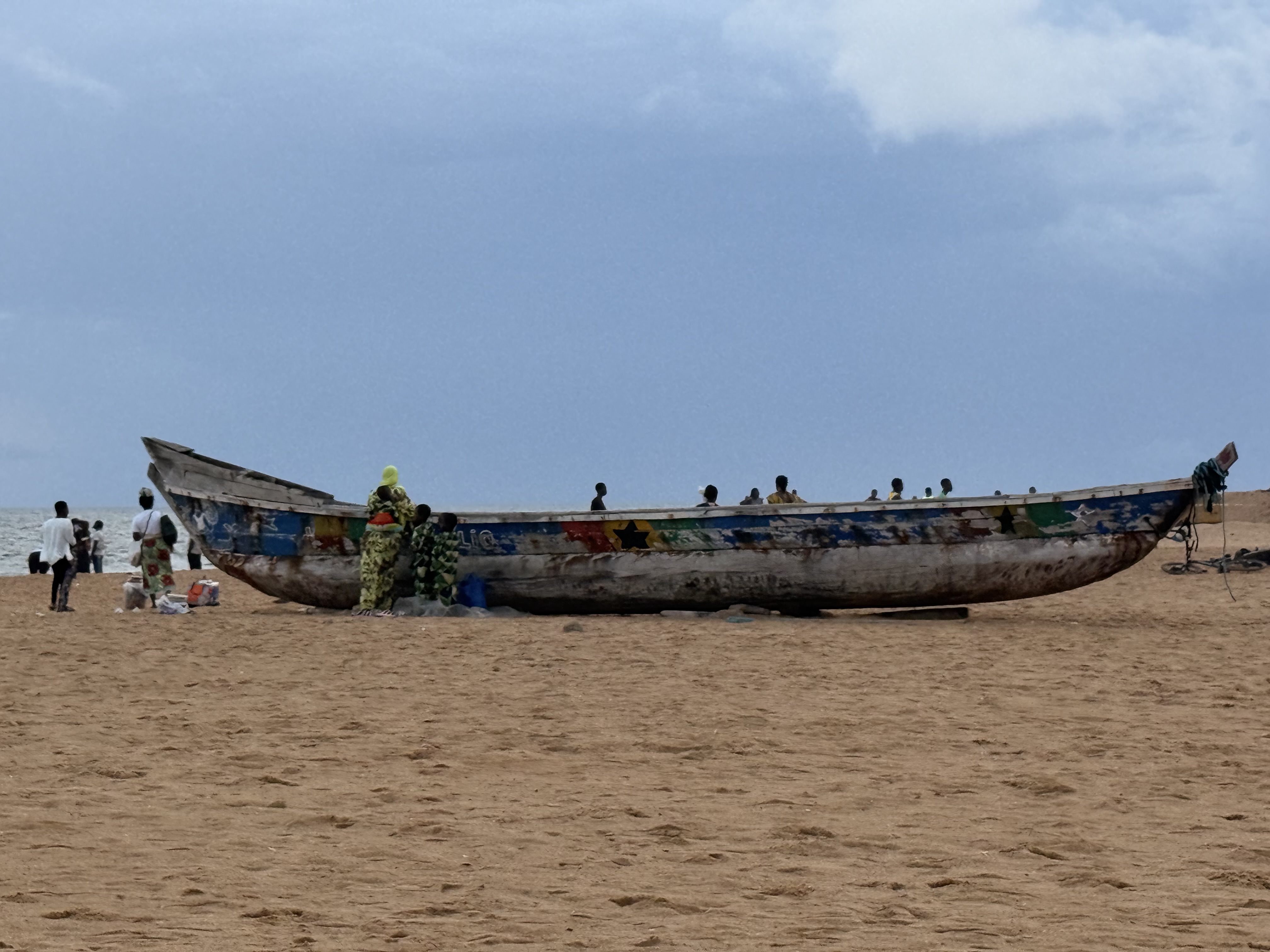
Benin rarely makes anyone's first-timer Africa list, and we think that shouldn’t be the case. Stilted villages on Lake Nokoué, the Door of No Return at Ouidah, voodoo's spiritual homeland, and the wildlife of Pendjari National Park make it one of West Africa's most rewarding — and least visited — destinations. Before any of that, though, most travellers need to sort out one practical hurdle: the e-visa.
Here is our 2026 guide to the Benin e-Visa.
Do You Need a Visa for Benin?
It depends on your passport.
- ECOWAS nationals (Nigeria, Ghana, Togo, Senegal, and other West African community member states) can enter Benin visa-free.
- Other African passport holders are generally entitled to visa-free entry for stays of up to 90 days, under Benin's continent-wide visa liberalization policy — though it's worth confirming your specific nationality against Benin's official exempted-country list before you travel, since bilateral agreements vary.
- Everyone else — including travellers from the UK, US, Australia, EU, and most of Asia — needs a visa. For tourism, the e-visa is the standard route.
One rule applies to all travellers regardless of nationality or visa status: a valid yellow fever vaccination certificate is mandatory for entry into Benin. This is strictly enforced at the border, and visa-exempt visitors are not exempt from it. Get vaccinated at least 10 days before departure so immunity has time to develop.
Benin e-Visa Types and Costs (2026)
Benin's e-visa is issued through a single official government portal — more on avoiding lookalike sites below. As of 2026, the official self-service fees are:
|
Visa type |
Validity |
Entries |
Official self-apply fee |
|
e-Visa 30 days |
30 days |
Single entry |
€50 |
|
e-Visa 30 days |
30 days |
Multiple entry |
€75 |
|
e-Visa 90 days |
90 days |
Multiple entry |
€100 |
Applying through a Beninese embassy in person, rather than online, costs slightly more (roughly €60–€110 depending on visa type). Note that fees are published in euros by the government portal; third-party visa agencies sometimes list rough USD equivalents (commonly quoted around $55–$100), so expect minor currency-conversion variation depending on where you check.
Important distinction: visa validity is the window in which you must enter Benin; length of stay is how long you can remain once you're in. Don't conflate the two when planning an itinerary that runs close to 30 days.
Extensions are possible for the 30-day tourist e-visa but are not automatic — you need to apply before it expires, and approval isn't guaranteed. Don't rely on an extension as a backup plan; if your trip might run long, apply for the 90-day option upfront.
How to Apply: Step by Step
The entire process happens online at Benin's official e-visa portal, www. evisa.bj . Here's how it works:
- Start your application. On the homepage, click “Request an e-Visa” and enter your email address (twice, to confirm), your passport number, and its expiry date.
- Confirm by email. You'll receive an email with a link to continue your application — this is where the real form begins.
- Complete four sections. The full application is broken into: personal details, e-visa details (type, purpose, duration), travel details, and passport details. Required fields are marked with an asterisk. Double-check every entry against your actual passport and travel documents before moving on — mismatches are a common cause of delays or rejection.
- Pay online. Once everything is confirmed, you'll be redirected to a secure payment page. Visa and Mastercard (3D Secure) are accepted.
- Track your application. After payment, you'll receive an application reference number by email. Use it on the portal's “Track your application” page to check status at any time.
Documents to Have Ready Before You Start
- Passport valid for at least 6 months beyond your intended stay
- A passport-style photo (white background)
- Proof of onward or return travel
- Proof of accommodation (hotel booking or invitation letter)
- Evidence of sufficient funds for your stay
- A valid credit or debit card for payment
- Yellow fever vaccination certificate (required for entry, not just the visa application)
Processing Time
Reported processing times vary depending on the source: the official portal has issued approvals in as little as 2 business days, while several visa-agency guides quote a more conservative 3–5 business days. Given that spread, apply at least a week before departure to leave room for any delay, and avoid applying the night before a flight.
A Word of Caution: Use the Official Portal Only
A small industry of third-party “visa assistance” websites has grown up around Benin's e-visa, and several rank well in search results. They aren't illegal, but they typically charge a service markup on top of the government fee, and using them isn't necessary — the official process is simple enough to do yourself.
The only official portal is evisa.bj . If a site asks for a materially higher fee than the ranges above, or isn't the .bj government domain, treat it as a paid convenience service at best — verify before you pay.
What Do You Need to Do When you Arrive?
Arrival into Cotonou Airport could not be easier. You will need to show a print out of your e-Visa which they will scan. They won’t need to see your yellow fever card as all those details are already in their system. This doesn’t mean you can travel without your yellow card on you and we definitely advise that you keep a physical copy on you at all times.
They will stamp a small stamp in your passport and then that’s it! The airport is small but it is fairly new and little airline traffic means you don’t have to wait for bags. Once you exit there are numerous mobile phone stores to get sim cards. The airport is close to the centre of town so if you’re staying in a nice areas such as Fidjrossé you will only need a 10 min taxi ride.
How can I join Saiga in Benin?
To see our tour dates, check out the Africa group tours section of our website here. To secure your place with us on tour, send us an email to
[email protected]
.