When you think of international sporting events, you think of strict national borders. The Olympics and the FIFA World Cup are rigid; if you aren't a sovereign, UN-recognized state (with a few historical exceptions such as the Home Nations of the UK and some territories such as Hong Kong), you don't march under your own flag. The World Nomad Games flips that script entirely.
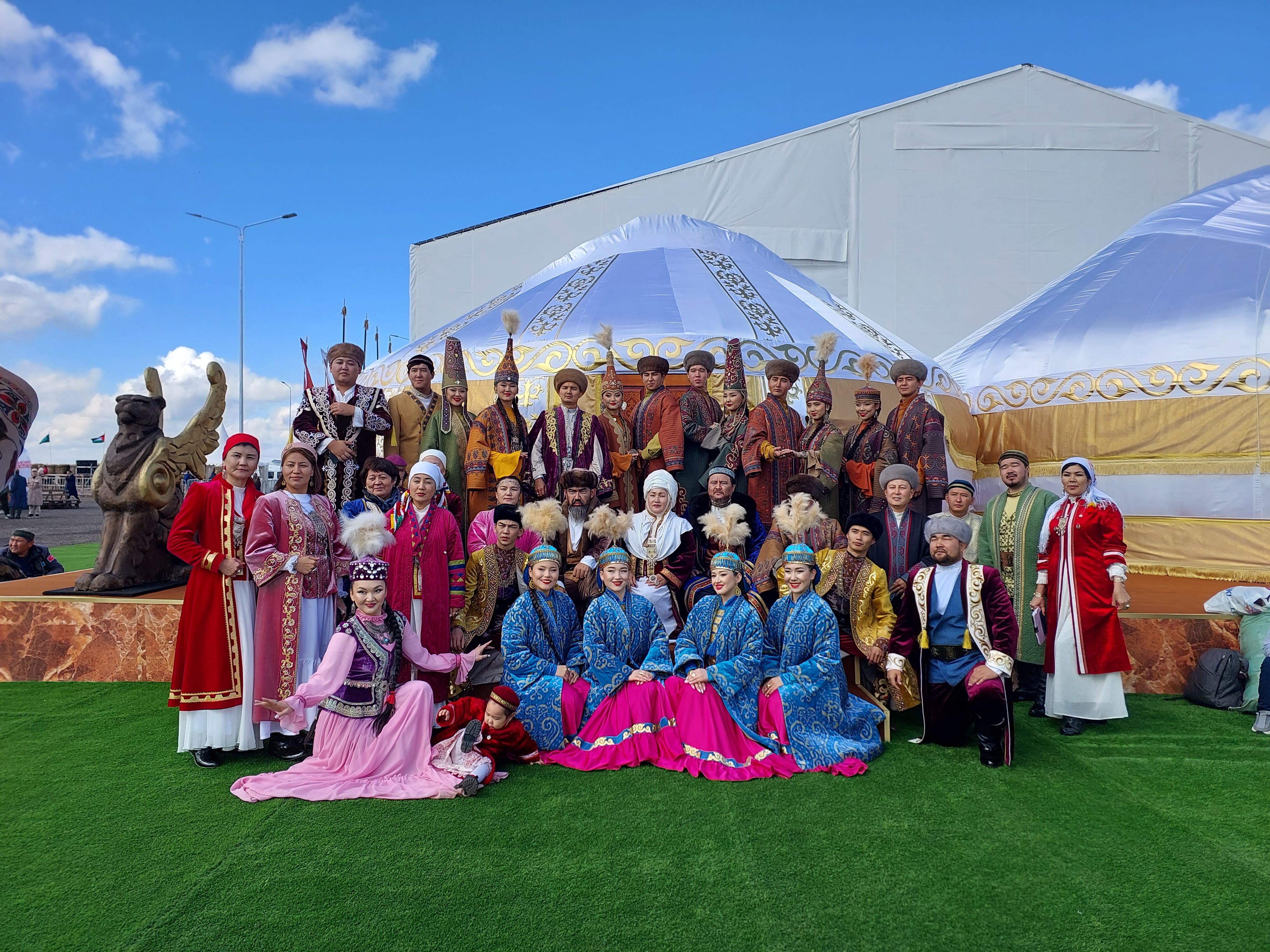
Because this incredible spectacle is a celebration of nomadic culture, ancestral traditions, and Turkic heritage, the organizers look past modern geopolitical maps. Instead, they invite historical regions, autonomous republics, and culturally distinct territories to compete on the world stage in their own right. From horse archery to goat polo (Kok-boru), these athletes aren't just competing for medals—they are competing for the visibility of their ancient cultures.
Here are 14 fascinating teams you will spot at the World Nomad Games that are not independent UN member states.
1. Tuva Republic
Tucked away in southern Siberia along the Mongolian border, Tuva is a Russian republic famous worldwide for its mesmerizing throat singing and deep-rooted nomadic herding traditions. At the games, Tuvans are formidable competitors, particularly in traditional archery and Khuresh (Tuvan jacket wrestling).
2. Sakha Republic (Yakutia)
Spanning a massive portion of eastern Siberia, Sakha is the largest sub-national governing body in the world (Western Australia is 2 nd ). Despite enduring some of the coldest winters on Earth, Sakha's athletes are absolute powerhouses—most notably dominating the sport of Mas-wrestling (traditional stick-pulling), which originated in their region.
3. Republic of Tatarstan
Located at the confluence of the Volga and Kama rivers in Central Russia, Tatarstan boasts a proud Turkic history. Their delegation arrives highly prepared for wrestling disciplines, specifically Koresh (belt wrestling), where their athletes consistently place high on the podium.
4. Bashkortostan
Situated between the Volga River and the Ural Mountains in Russia, this autonomous republic fields a highly competitive team. The Bashkirs share strong linguistic and cultural ties with Central Asia, making them natural experts in traditional equestrian events and long-distance horse racing.
5. Altai Republic
Nestled in the breathtaking Altai Mountains where Russia, Mongolia, China, and Kazakhstan meet, this region is often considered the ancestral cradle of many Turkic peoples. Their athletes excel in both physical ethnosports and traditional intellectual board games like Toguz Korgool.
6. Xinjiang Uyghur Autonomous Region
Representing a massive territory in northwest China along the ancient Silk Road, delegations from Xinjiang bring a rich tapestry of Central Asian horse culture to the games. They are frequent competitors in spectacular equestrian displays and traditional wrestling.
7. Inner Mongolia
While neighboring independent Mongolia is a dominant force at the games, the autonomous region of Inner Mongolia (part of China) fields its own distinct delegation. They bring exceptional masters of traditional Mongolian wrestling (Bökh) and elite horse archers to the field.
8. Khanty-Mansi Autonomous Okrug
Hailing from Western Siberia, this region represents the indigenous Khanty and Mansi peoples. Their culture is deeply intertwined with reindeer herding and northern survival, adding an incredible sub-Arctic flavor to the cultural and athletic exhibits of the games.
9. Yamalo-Nenets Autonomous Okrug
Located entirely within the Arctic and sub-Arctic zones of Russia, this delegation brings the traditions of the Nenets people. While their climate prevents traditional Central Asian horse breeding, their athletes showcase unparalleled skills in northern ethnosports, lassoing, and traditional cold-weather survival games.
10. Republic of Kalmykia
As the only traditionally Buddhist region in Europe (located on the Caspian steppe in Southern Russia), Kalmykia has a unique history. The Kalmyks are descendants of Oirat Mongols who migrated west centuries ago, keeping their fierce nomadic warrior spirit alive through elite archery and wrestling teams at the games.
11. Republic of Buryatia
Bordering Lake Baikal in Siberia, the Buryats are the northernmost major Mongol ethnic group. Their delegation brings historic expertise in Sur-Kharban (traditional Buryat archery) and wrestling, seamlessly bridging Siberian and Mongolian nomadic cultures.
12. Gagauzia
An autonomous territorial unit of Moldova, Gagauzia is inhabited primarily by the Gagauz people—a unique ethnic group of Orthodox Christian, Turkic-speaking nomads who settled in the Balkans. Their presence at the games highlights the incredible geographic reach of Turkic heritage.
13. Republic of Khakassia
Situated in the left bank of the Yenisei River basin in Siberia, Khakassia boasts thousands of ancient burial mounds and monuments. Their athletes travel to the games to proudly represent their Yenisei Kirghiz roots, competing in traditional intellectual games and combat sports.
14. Republic of Dagestan
Located in the North Caucasus along the Caspian Sea in Russia, Dagestan is a ethnically diverse mountainous region famed for producing some of the world's finest martial art athletes. While less historically "nomadic" in the steppe sense, their highlander traditions fit perfectly into the fierce wrestling and martial arts categories of the games.
How can you see the Nomad Games with Saiga Tours?
The Nomad Games is one of our most popular group tours we offer and spaces sell out fast. We will be going back each time to see the events in which ever country in Central Asia they are held. If you want to be put on the wait list or want to be on the list for the next games, send us an email to [email protected]. To check out our current Nomag Games tours head to our website www.Saigatours.com.