Languages are the ultimate survivalists. They outlive empires, dodge colonizers, and somehow still manage to deliver dad jokes in every corner of the planet. Yet every two weeks, one quietly slips away forever. That sobering reality is exactly why International Mother Language Day exists — and why it sparks lively Mother Languages Festivals around the world every February 21. Part solemn remembrance, part joyful celebration, these events remind us that our mother tongues are more than just words, they represent culture, life and society itself.
From Bloodshed to Global Recognition
The story begins in tragedy. On the 21 st of February, 1952, in Dhaka (then East Pakistan, now Bangladesh), students and activists took to the streets. The ruling authorities had declared Urdu the sole national language, sidelining Bengali, the mother tongue of the majority. Police opened fire and at least five people were killed. Their sacrifice turned February 21 into Bangladesh’s “Language Movement Day” (Shohid Dibosh).
That powerful act of linguistic defiance eventually reached the global stage. In 1998, Bangladeshi Canadians Rafiqul Islam and Abdus Salam wrote to UN Secretary-General Kofi Annan proposing an international day. UNESCO made it official in 1999. The United Nations followed in 2002. What started as a regional struggle became a worldwide call to protect linguistic diversity and multilingualism.
By 2025, International Mother Languages Day celebrated 25 years of pushing back against language extinction. Each year carries a different theme, for example in 2002 the theme was “Linguistic Diversity: 3,000 Languages at Risk”, while in 2024 it was “Multilingual Education – A Pillar of Learning and Intergenerational Learning”. They address hard realities — roughly 40% of the world’s population doesn’t receive education in a language they understand well, and nearly half of the planet’s 7,000+ living languages are endangered.
Different Global Festivities
International Mother Languages Day isn’t one single traditional was a plethora of various worldwide events. In Bangladesh, the streets come alive with songs and tributes. India digitizes content across dozens of languages through the Bharatavani Project. Canada has issued official proclamations and hosts poetry readings and cultural fairs. The UK erects replicas of the Shaheed Minar, while UNESCO headquarters in Paris hosts exhibitions and high-level panels.
Two particularly famous annual events include:
Smithsonian Mother Tongue Film Festival (Washington, DC): Launched in 2016, this gem screens films in endangered and Indigenous languages. Its 10th edition in 2025 featured 23 films across more than 25 languages.
Mother Language Festival by MLLWS (Surrey, BC, Canada): Organized by the Mother Language Lovers of the World Society, this free community gathering brings music, dance, and storytelling together. The 2025 edition continued a tradition that even helped inspire Canada’s national recognition of the day.
Equatorial Guinea: A Multilingual Mosaic
Nowhere is the beauty and fragility of linguistic diversity more evident than in Equatorial Guinea, a small Central African nation with Spanish, French, and Portuguese as official languages — and seven other recognised indigenous mother tongues, including Fang (spoken by the majority), Bubi, Ndowe, Bisio, Annobonese Creole, Kwasio, and Balengue.
EG usually observes International Mother Languages Day annually on February 21, though it’s not a public holiday. Instead, the day shines through community-driven initiatives, school programs, and cultural events that highlight how mother tongues shape identity, education, and social cohesion in a country navigating globalization and official-language dominance.
The crown jewel is the Mother Languages Festival (Festival de Lengua Materna, known locally as Eboobe or Evoove) normally held in Malabo on Bioko Island around February 21–22. This multi-ethnic gathering unites representatives from Fang, Bubi, Ndowe, and other groups for concerts, traditional dances, award ceremonies, book presentations, food tastings, and demonstrations of customs like marriage rites. It’s equal parts cultural showcase and heartfelt call for preservation — a rare tourist-friendly window into EG’s rich heritage.
Particularly entertaining are the Evove celebrations organized by the Bubi people of Bioko Island. Bubi is classified by UNESCO as “definitely endangered,” with fewer than 100,000 speakers. In villages such as Batoikopo, Ruiché, Bariobé, and Bososo, communities come together for traditional games, artisan demonstrations, dances with exaggerated joyful movements, and generous sharing of local delicacies.
The 2026 Shadow: Politics Over Preservation
Despite the consistent enthusiasm from communities, political headwinds have occasionally dampened the spirit. In 2025, authorities banned a centralized Evoove event in Ruiché, citing security concerns despite years of peaceful gatherings. Opposition voices, criticized the move as politically motivated, arguing it undermined cultural rights and forced smaller, fragmented village-level observances.
This pattern continued into 2026, when the Mother Languages Festival and related major Evoove events were not observed in their traditional form due to political considerations. The decision limited large-scale unity and drew quiet disappointment from cultural advocates who see these festivals as vital bridges between generations and ethnic groups.
Why It All Matters
Whether you’re watching a Sámi short film in Washington, tasting Bubi cuisine in Malabo, or simply appreciating the poetry of your own childhood lullabies, Mother Languages Festivals remind us that every tongue carries unique ways of seeing the world. They connect us to the 1952 martyrs in Dhaka, to Indigenous communities fighting for survival, and to the quiet wisdom passed down in kitchens and village squares.
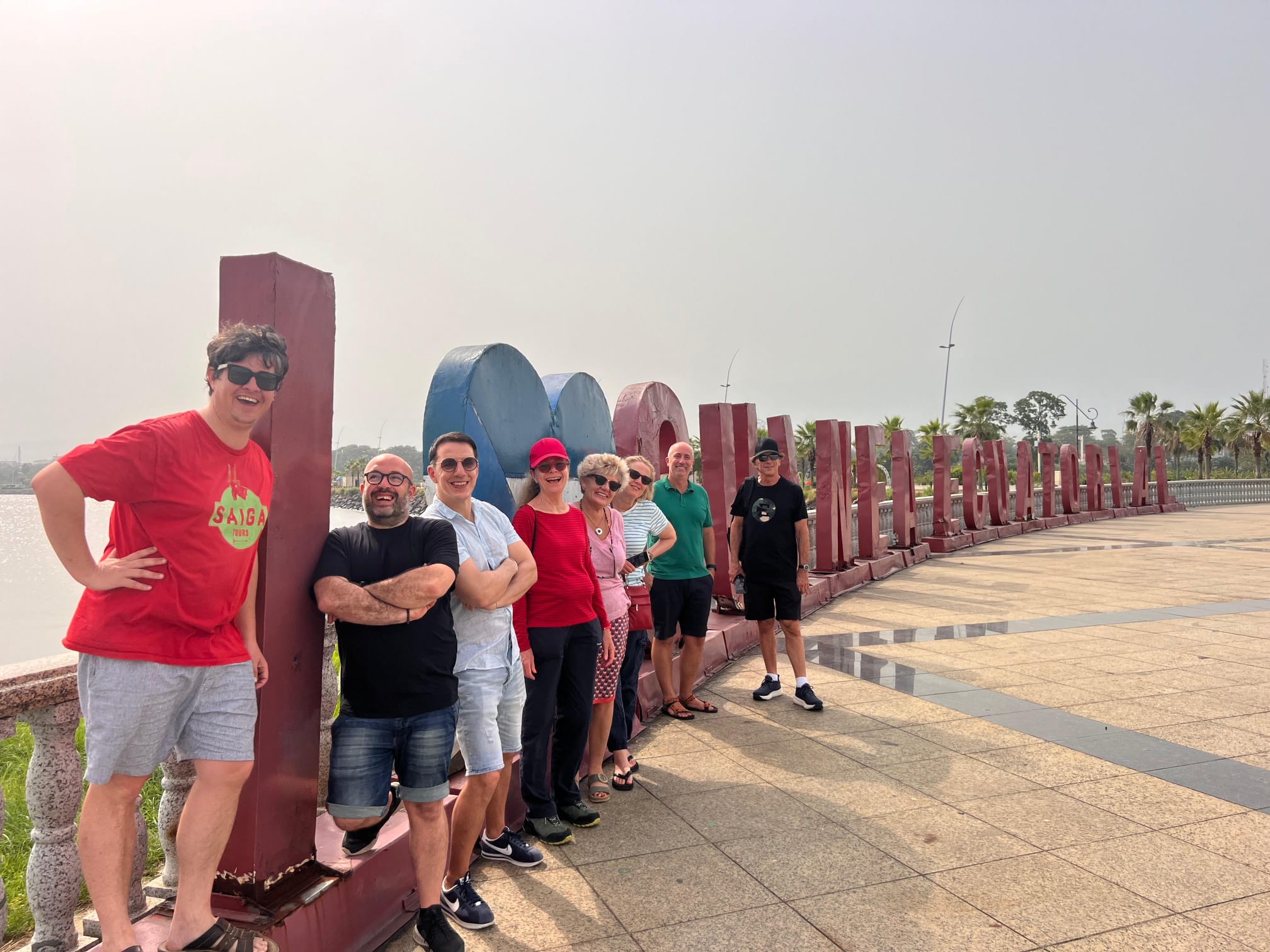
To come and experience Equatorial Guinea for yourself, check out our
group tour departure dates
here on our website. To secure your place with us in Africa, send us an email to [email protected].